
Brazil will host the FIFA Women’s World Cup 2027, marking the very first time South America welcomes the biggest tournament in women’s football. From June 24 to July 25, 2027, thirty-two national teams will compete across ten dynamic Brazilian host cities. For international supporters, this month-long event offers an extraordinary opportunity to experience world-class football inside iconic stadiums while discovering the incredible biodiversity, music, and cuisine of South America’s largest nation.
🧳 Plan your trip to Brazil
🏨 Hotels: Browse the best hotels on Booking.com
🎟️ Tours & activities: Find tours on Civitatis ·
🚗 Car rental: Compare prices on Rentcars
🛡️ Travel insurance: Get a quote here
Football in Brazil is far more than a sporting pastime; it is a shared national language woven into daily life on Atlantic beaches, neighborhood squares, and historic arenas. The selection of Brazil at the 74th FIFA Congress in May 2024 brought immense celebration across the country. Local fans are preparing to showcase their famed hospitality, while the Brazil women’s national team, historically led by legendary icons like Marta, Formiga, and Cristiane, aims to capture its first official World Cup star on home soil.
Navigating a continent-sized country during a major tournament requires careful planning. Distances between host cities can span thousands of kilometers, ranging from the equatorial rainforest of Manaus to the cool southern pampas of Porto Alegre. This guide provides detailed information on tournament dates, host cities, stadium venues, transport logistics, safety measures, regional gastronomy, and recommended travel itineraries to ensure an unforgettable World Cup adventure.
When and where is the Women’s World Cup 2027 hosted?
The FIFA Women’s World Cup 2027 takes place from June 24 to July 25, 2027. Matches will be staged across ten modern stadiums located in ten distinct cities representing five geographical regions of Brazil. The opening match on June 24, 2027, and the grand final on July 25, 2027, will both be held at the world-famous Maracanã Stadium in Rio de Janeiro, a venue steeped in global football history.
Brazil won the hosting rights after receiving 119 votes from FIFA member associations, surpassing a joint bid from Belgium, Germany, and the Netherlands. FIFA’s official evaluation highlighted Brazil’s existing stadium infrastructure, developed for the 2014 Men’s World Cup, alongside strong government backing and a clear commitment to growing women’s sports across South America.
The tournament schedule is designed to minimize travel burdens on teams and supporters during the group stage. Matches will be clustered by geographic zones, allowing fans to follow their favorite teams through the Southeast, Northeast, Central-West, South, or Amazonian regions without constant long-haul flights. Official schedules, ticket allocations, and stadium guidelines can be monitored directly through the official FIFA Brazil 2027 portal.
The 10 host cities and World Cup stadiums in Brazil
Each of the ten chosen host cities offers a distinct cultural atmosphere, architectural style, and regional climate. Understanding the unique characteristics of each venue helps supporters choose where to base themselves during the group and knockout stages.
1. Rio de Janeiro (Estádio do Maracanã)
Rio de Janeiro serves as the centerpiece of the 2027 tournament. The Estádio do Maracanã, officially named Estádio Jornalista Mário Filho, possesses a seating capacity of over 73,000 spectators. Having hosted two Men’s World Cup finals (1950 and 2014) and the 2016 Olympic football finals, the Maracanã will now make history as the host of the opening ceremony and final of the Women’s World Cup.
Beyond matchdays, visitors in Rio can explore world-famous beaches, granite peaks, and lively samba districts. Travelers interested in local culture can read our comprehensive Rio de Janeiro travel guide for insider tips on neighborhoods and attractions. To experience the passion of local football culture before the matches begin, consider taking a Maracanã stadium guided tour or joining a Rio football match tour with a local guide.

2. São Paulo (Neo Química Arena / Arena Corinthians)
São Paulo is South America’s sprawling economic and cultural capital. The Neo Química Arena, located in the Itaquera district, seats 49,000 spectators and previously hosted the opening match of the 2014 Men’s World Cup. Known for its modern facilities and steep stands that create an intense acoustic environment, the stadium will host several key group and knockout matches.
São Paulo boasts world-class gastronomy, renowned art museums, and eclectic nightlife. Foreign visitors should explore the historic center, Ibirapuera Park, and the Japanese district of Liberdade. Read our detailed São Paulo city guide and our regional overview of the State of São Paulo to plan your stay. Football enthusiasts can also book a São Paulo football private tour to discover the city’s legendary club history.

3. Belo Horizonte (Estádio Mineirão)
Located in the state of Minas Gerais, Belo Horizonte is celebrated for its warm hospitality, historic architecture, and traditional culinary heritage. Estádio Mineirão, formally known as Estádio Governador Magalhães Pinto, holds 62,000 fans and stands near the picturesque Pampulha Modern Ensemble, a UNESCO World Heritage site.
Matchgoers in Belo Horizonte should save time to explore the city’s famous bar scene and regional markets. Check out our guide to Belo Horizonte for local recommendations, or enhance your matchday itinerary by booking a guided Belo Horizonte city tour.

4. Brasília (Estádio Mané Garrincha)
Brazil’s federal capital, Brasília, is famous worldwide for its futuristic urban planning designed by Oscar Niemeyer and Lúcio Costa. The Estádio Nacional Mané Garrincha is the second-largest stadium in the tournament, featuring a capacity of nearly 70,000 spectators surrounded by an impressive ring of 288 concrete pillars.
Visitors can tour modernist landmarks such as the Cathedral of Brasília, the Three Powers Plaza, and the Itamaraty Palace. Explore our guide on the capital of Brazil to understand the city’s unique layout, and consider taking a Brasília private tour to cover the architectural highlights efficiently.
5. Porto Alegre (Estádio Beira-Rio)
Situated on the banks of Lake Guaíba in southern Brazil, Porto Alegre brings gaúcho traditions and cooler winter weather to the tournament. Estádio Beira-Rio, home of Sport Club Internacional, seats 50,000 spectators and features a distinctive membrane roof designed to shelter fans while keeping the atmosphere energetic.
Porto Alegre offers beautiful sunsets along the Guaíba waterfront, historic parks, and traditional churrascarias. Read our complete Porto Alegre travel guide to plan your visit, and book a Porto Alegre guided tour to experience the historic center.
6. Salvador (Arena Fonte Nova)
Salvador, the capital of Bahia, is the center of Afro-Brazilian culture, music, and gastronomy. Arena Fonte Nova, located near the historic Dique do Tororó lake, seats 48,000 spectators and is renowned for producing high-scoring, dramatic matches in past international tournaments.
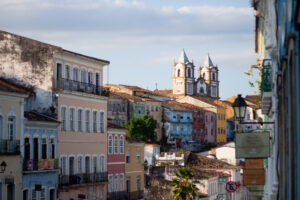
Between games, fans can explore the colorful cobblestone streets of the Pelourinho, listen to Olodum drum rehearsals, and sample street food cooked in dende oil. Plan your trip with our in-depth Salvador travel guide.
/
7. Recife (Arena Pernambuco)
Recife, known as the Venice of Brazil due to its rivers, bridges, and coastal reefs, offers a rich cultural mix of frevo music, maracatu rhythms, and colonial history. Arena Pernambuco, located in the suburban area of São Lourenço da Mata, holds 45,000 fans.
Visitors can pair stadium visits with trips to the nearby UNESCO-listed town of Olinda or coastal beach trips. Discover regional travel highlights in our Recife travel guide.
8. Fortaleza (Arena Castelão)
Fortaleza, in the northeastern state of Ceará, combines sunny weather, sprawling urban beaches, and an energetic nightlife scene. Arena Castelão, officially named Estádio Governador Plácido Aderaldo Castelo, holds over 58,000 spectators and was the first stadium completed for the 2014 World Cup.
Supporters travelling to Fortaleza can enjoy fresh seafood at Beira Mar, take buggy rides across coastal sand dunes, and experience traditional forró music. Read our insider tips in the Fortaleza guide.
9. Manaus (Arena da Amazônia)
Located in the central Amazon rainforest, Manaus presents one of the most exotic destinations in international football history. Arena da Amazônia seats 44,000 fans and features a design inspired by traditional indigenous wicker baskets.
Manaus serves as the gateway to rainforest lodges, river cruises, and the famous Meeting of the Waters, where the dark Rio Negro flows alongside the pale Solimões River. Check out our comprehensive Manaus travel guide to organize rainforest excursions around your match schedule.
10. Cuiabá (Arena Pantanal)
Cuiabá, capital of Mato Grosso, is the primary gateway to the Pantanal, the world’s largest tropical wetland area. Arena Pantanal seats 41,000 spectators and was constructed with a strong focus on environmental sustainability, utilizing certified timber and recycled materials.
Football supporters visiting Cuiabá have a rare opportunity to combine sports travel with jaguar safaris and birdwatching expeditions in the Pantanal wetlands. Read our essential travel advice in the Cuiabá guide.
Top attractions and day trips near host cities
Planning a World Cup itinerary involves balancing stadium visits with sightseeing. Brazil’s host cities offer world-class cultural landmarks and convenient day trips that display the country’s natural beauty.
Day trips from Rio de Janeiro
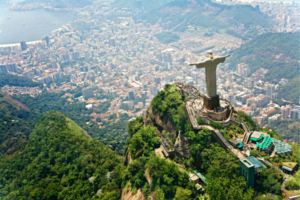
Rio de Janeiro provides endless opportunities for exploration. Visitors can ride the cable car up Sugarloaf Mountain, visit the Christ the Redeemer statue atop Corcovado, or stroll through the historic Botanical Garden. For a deeper look into local urban culture and football history, book a Santa Marta favela tour with football lunch. Coastal day trips to the crystal-clear waters of Arraial do Cabo or the historic colonial port of Paraty are easily accessible by road.
Day trips from São Paulo
While São Paulo city is packed with world-class museums like MASP and Pinacoteca, supporters can easily take day trips to the Atlantic coast. A popular excursion leads to the historic port city of Santos, home to Santos FC and the legendary Pelé. Fans can take a dedicated Santos Pelé tour to visit the Pelé Museum and the historic Vila Belmiro stadium.
Excursions from Manaus and Cuiabá
For fans attending matches in North and Central-West Brazil, wildlife adventures are unmissable. From Manaus, single-day river boat tours visit indigenous communities, floating markets, and pink river dolphin sanctuaries. From Cuiabá, day trips to Chapada dos Guimarães National Park feature dramatic sandstone cliffs, waterfalls, and hiking trails just an hour from the stadium.
How to get around Brazil during the World Cup
Navigating Brazil efficiently requires understanding the scale of South American transportation. Because distances between major regions are vast, domestic flights are the primary choice for traveling between host cities located in different states.
Domestic flights
Brazil possesses an extensive domestic flight network serviced by major airlines including LATAM, GOL, and Azul. Major hub airports in São Paulo (Guarulhos GRU and Congonhas CGH) and Rio de Janeiro (Galeão GIG and Santos Dumont SDU) connect frequently to all host venues. Supporters following a team across multiple group stage venues should book domestic flights months in advance, as ticket demand increases dramatically during international tournament dates.
Car rentals and regional driving
Renting a vehicle is an excellent option for exploring coastal regions, driving between nearby host cities (such as Rio de Janeiro, São Paulo, and Belo Horizonte), or taking countryside day trips. Having a rental car provides flexibility to visit secluded beaches and national parks at your own pace. You can compare rates and book vehicles directly through Rentcars, South America’s leading car rental comparison platform.
City transport and connectivity
Within host cities, public transportation options vary. Rio de Janeiro, São Paulo, Brasília, and Recife feature efficient underground metro systems that connect major hotel districts to stadium zones or shuttle transfer stations. Ridesharing apps like Uber and 99 operate widely across all ten host cities, providing safe and convenient door-to-door transport.
To maintain continuous internet connectivity for navigation, match updates, and rideshare booking, international travelers should secure a local data plan upon arrival or activate an eSIM prior to landing. You can acquire a reliable Civitatis Brazil eSIM card to ensure instant digital connection across all tournament host cities.
Where to stay: accommodation tips for football fans
Accommodation options in Brazil range from beachfront luxury hotels and boutique pousadas to budget hostels and short-term apartment rentals. During the Women’s World Cup, hotel occupancy rates in primary host cities like Rio de Janeiro and São Paulo will reach high levels, making early reservations crucial.
Recommended neighborhoods in primary host cities
When selecting lodging, prioritize safety, walkable dining options, and proximity to metro stations.
- Rio de Janeiro: Copacabana, Ipanema, and Leblon offer iconic beach settings with direct metro access to the Maracanã Stadium. Botafogo and Flamengo provide mid-range alternatives closer to the stadium and downtown historic sites.
- São Paulo: Jardins, Avenida Paulista, and Itaim Bibi offer excellent security, world-class restaurants, and convenient metro access. Staying along the Red Metro Line simplifies transit to the Neo Química Arena in Itaquera.
- Belo Horizonte: Savassi, Lourdes, and Funcionários are energetic, safe neighborhoods packed with traditional bars and restaurants, with easy bus or taxi rides to the Mineirão Stadium.
- Salvador: Rio Vermelho and Barra offer coastal hotel options close to nightlife and beaches, while Pelourinho places visitors inside the historic cultural core.
Supporters can research hotel availability, guest reviews, and special tournament rates using major travel engines like Booking.com. Booking flexible cancellation policies allows fans to adjust their lodging once team match locations are confirmed following the official draw.
Weather and climate in Brazil during June and July
Because Brazil lies predominantly in the Southern Hemisphere, the tournament dates of June and July coincide with the Brazilian winter. However, winter in Brazil varies dramatically depending on the geographic latitude of each host city.
Regional weather breakdown
- Southeast (Rio de Janeiro, São Paulo, Belo Horizonte): Expect pleasant, dry winter weather. Rio de Janeiro averages daily highs of 25°C (77°F) with cool ocean breezes. São Paulo and Belo Horizonte experience milder daytime temperatures around 22°C (72°F) and cooler evenings dropping to 12°C–15°C (54°F–59°F).
- Northeast (Salvador, Recife, Fortaleza): Tropical coastal warm weather prevails year-round. Daily temperatures average 27°C–29°C (80°F–84°F). Brief tropical rain showers are common in Recife and Salvador, but passing clouds rarely disrupt outdoor match viewings.
- South (Porto Alegre): Porto Alegre experiences authentic temperate winter conditions. Daytime highs reach 18°C (64°F), while evening temperatures can drop below 10°C (50°F). Rain and crisp wind are common, requiring warm jacket layers.
- Central-West (Brasília, Cuiabá): The Central-West region enters its dry season in June and July. Days are consistently sunny and warm (28°C–32°C / 82°F–90°F) with very low humidity, requiring generous hydration during outdoor daytime activities.
- North (Manaus): Located near the equator, Manaus remains warm and humid year-round, with daily temperatures around 31°C (88°F). However, July falls within the dry season, resulting in fewer heavy tropical downpours compared to earlier months.
For packing advice tailored to different regions and stadium dress codes, consult our guide on what to wear in Brazil.
Travel safety in Brazil: essential guidelines
International travel to Brazil is safe and enjoyable when visitors follow straightforward urban safety precautions. Millions of tourists visit Brazil annually without incident, and security presence around World Cup stadiums, fan zones, and tourist corridors will be heavily reinforced during the tournament.
Key safety recommendations
Keep personal belongings secure in crowded environments. Use cross-body bags or concealed pouches for passports and credit cards. Avoid displaying expensive jewelry, high-end cameras, or large sums of cash in public streets. When taking photos on mobile phones, remain aware of surroundings, especially near busy transit stations.
At night, stick to well-lit streets inside popular tourist districts like Ipanema in Rio or Savassi in Belo Horizonte. Use registered rideshare services like Uber rather than hailing unmarked street cabs late at night. For detailed security protocols, emergency contacts, and neighborhood breakdowns, read our full travel safety in Brazil guide.
Travel insurance
Comprehensive travel health insurance is essential when traveling internationally for sporting events. Unexpected flight delays, lost luggage, or medical consultations during travel can cause significant disruption. Supporters can secure specialized international protection through SafetyWing travel insurance, which provides flexible coverage for international trips, medical care, and travel emergencies.
Brazilian gastronomy: what to eat and drink
Experiencing Brazilian food is an integral part of any World Cup journey. Each host region features unique culinary specialities rooted in indigenous, African, and European traditions.
Iconic national dishes
- Feijoada: Brazil’s national dish, a rich stew of black beans and pork cuts served with rice, fresh orange slices, sautéed collard greens, and toasted cassava flour (*farofa*). Traditionally enjoyed on Saturday afternoons.
- Pão de Queijo: Cassava flour cheese bread rolls originating from Minas Gerais, featuring a crispy crust and chewy interior. Perfect for quick matchday breakfasts.
- Churrasco: Brazilian barbecue featuring premium cuts of beef, pork, and chicken grilled on skewers over charcoal. Restaurants known as *churrascarias* offer all-you-can-eat table service (*rodízio*).
- Moqueca: A fragrant seafood stew made with fresh fish, shrimp, coconut milk, tomatoes, onions, and palm oil (*dendê*), cooked inside clay pots in Bahia and Espírito Santo.
- Açaí: Frozen mashed berries from the Amazon palm tree, served cold in bowls with banana slices, granola, and honey. Ideal for refreshing energy between matches.
Matchday stadium foods
Brazilian stadium culture has its own culinary traditions. At the Mineirão in Belo Horizonte, fans routinely eat *feijão tropeiro*, a hearty dish of beans, bacon, sausage, eggs, and cassava flour served right outside the gates. In Rio’s Maracanã, local supporters snack on *biscoito Globo* (light cassava puff rings) paired with cold sweet mate tea sold by beach and stadium vendors.
Practical information and host city comparison
The following table summarizes essential travel details across all ten FIFA Women’s World Cup 2027 host cities to assist supporters in planning match logistics.
| Host City | Stadium Name | Seating Capacity | Winter Climate (July) | Regional Culinary Highlight | Direct Transit Option |
|---|---|---|---|---|---|
| Rio de Janeiro | Estádio do Maracanã | 73,139 | Sunny, 25°C (77°F) | Feijoada, Biscoito Globo | Metro Line 2 (Maracanã Station) |
| São Paulo | Neo Química Arena | 49,205 | Mild, 22°C (72°F) | Virado à Paulista, Pizza | Metro Red Line (Corinthians-Itaquera) |
| Belo Horizonte | Estádio Mineirão | 61,846 | Mild, 23°C (73°F) | Feijão Tropeiro, Pão de Queijo | MOVE Bus Rapid Transit / Taxi |
| Brasília | Estádio Mané Garrincha | 69,722 | Warm/Dry, 28°C (82°F) | Galinhada, Cerrado Fruits | City Bus / Rideshare / Metro |
| Porto Alegre | Estádio Beira-Rio | 50,128 | Cool, 18°C (64°F) | Arroz de Carreteiro, Churrasco | T1/T2 Bus / Rideshare / Metro |
| Salvador | Arena Fonte Nova | 48,000 | Tropical, 27°C (80°F) | Moqueca Baiana, Acarajé | Metro Line 1 (Campo da Pólvora) |
| Recife | Arena Pernambuco | 45,010 | Warm, 27°C (80°F) | Bolo de Rolo, Carne de Sol | Metro Central Line (Cosme e Damião) |
| Fortaleza | Arena Castelão | 58,704 | Tropical, 29°C (84°F) | Baião de Dois, Fresh Lobster | Express Bus / Rideshare / Taxi |
| Manaus | Arena da Amazônia | 44,000 | Warm/Humid, 31°C (88°F) | Tacacá, Tambaqui Fish | City Bus Lines / Rideshare |
| Cuiabá | Arena Pantanal | 41,112 | Warm/Dry, 31°C (88°F) | Maria Isabel (Beef & Rice) | City Bus / Rideshare |
Recommended World Cup travel itineraries
Supporters can structure their travel based on the duration of their visit and the specific match stages they attend.
10-day itinerary: the Southeastern stadium circuit
This itinerary focuses on Brazil’s primary football and cultural hubs in the Southeast, minimizing flight time while maximizing match atmosphere.
- Days 1–4 (Rio de Janeiro): Arrive in Rio. Attend matches at the Maracanã, explore Copacabana and Ipanema, visit Christ the Redeemer, and take a guided Maracanã tour.
- Days 5–7 (São Paulo): Travel to São Paulo by short flight or comfortable intercity bus. Attend a match at Neo Química Arena, explore Paulista Avenue, and visit the Football Museum at Pacaembu.
- Days 8–10 (Belo Horizonte): Fly to Belo Horizonte. Catch a fixture at Estádio Mineirão, sample regional cuisine in Savassi, and visit the Pampulha architectural complex before returning home.
14-day itinerary: sun, samba, and stadiums
Ideal for supporters following group stage matches across the Southeast and Northeast coastlines.
- Days 1–5 (Rio de Janeiro): Experience the opening ceremony and group matches at Maracanã. Take day trips to Sugarloaf Mountain and Santa Marta.
- Days 6–9 (Salvador): Fly north to Salvador. Watch matches at Arena Fonte Nova, wander through Pelourinho, and enjoy beach afternoons in Barra.
- Days 10–14 (Recife and Olinda): Travel to Recife. Attend fixtures at Arena Pernambuco, explore the colonial streets of Olinda, and enjoy coastal dining before departure.
21-day itinerary: the grand Brazil football and nature tour
Designed for supporters wanting a complete South American adventure combining matches with world-class natural wonders.
- Days 1–6 (Rio de Janeiro & São Paulo): Experience opening matches at Maracanã and Neo Química Arena.
- Days 7–10 (Manaus & Amazon Rainforest): Fly to Manaus for Amazonian group matches. Spend two days at an eco-lodge exploring rainforest trails and river tributaries.
- Days 11–15 (Brasília & Cuiabá / Pantanal): Travel to Brasília for stadium fixtures, then head to Cuiabá for matches and a two-day Pantanal wildlife safari.
- Days 16–21 (Rio de Janeiro Final Week): Return to Rio de Janeiro for the semifinal and final matches at Maracanã, concluding with beach relaxation in Ipanema.
FIFA tickets, volunteer opportunities, and tournament qualification
Planning match attendance requires staying updated on official FIFA ticketing phases, volunteer recruitment, and qualification standings.
How to secure Women’s World Cup 2027 tickets
Official ticket sales for the FIFA Women’s World Cup 2027 are managed exclusively through FIFA’s official ticketing platform. Sales typically open approximately 9 to 12 months prior to the tournament opening match. Tickets are released in structured phases:
1. First Come, First Served Presale: Visa cardholders often receive early access to individual match tickets and stadium pass packages.
2. Random Selection Draw Phase: Supporters apply for specific matches, including knockout fixtures and the final at Maracanã. If demand exceeds supply, tickets are allocated via a random ballot.
3. Last-Minute Sales Phase: Remaining tickets are sold online on a first-come basis up to and during the tournament month.
Supporters should register an official FIFA user account early to receive direct ticketing alerts and avoid unauthorized third-party resale websites.
FIFA volunteer program in Brazil
The FIFA Volunteer Program offers international fans and locals a chance to work behind the scenes during the tournament. Thousands of volunteers will support operations across all ten host cities in areas such as spectator services, media operations, team transport, accreditation, and venue logistics. Applications for the FIFA Women’s World Cup Brazil 2027 volunteer program open through the official FIFA Volunteer Platform about a year before the event. Applicants must be at least 18 years old and speak English or Portuguese.
Tournament format and qualification overview
The 2027 tournament features 32 national teams divided into eight groups of four. A total of 64 matches will take place over 32 days. As the host nation, the Brazil women’s national team receives automatic qualification. The remaining 31 spots are contested through continental qualification tournaments organized by FIFA’s six confederations:
- CONMEBOL (South America): 3 direct slots (+ host Brazil)
- UEFA (Europe): 11 direct slots
- AFC (Asia): 6 direct slots
- CAF (Africa): 4 direct slots
- CONCACAF (North, Central America & Caribbean): 4 direct slots
- OFC (Oceania): 1 direct slot
- Interconfederation Play-offs: 3 remaining slots determined via a 10-team tournament.
Powerhouse nations like the United States (USWNT), Spain, England, Germany, Japan, and Australia (Matildas) will compete through regional qualifiers leading into late 2026 and early 2027.
Frequently asked questions (FAQ)
Who will host the FIFA Women’s World Cup in 2027?
Brazil will host the FIFA Women’s World Cup in 2027. FIFA member associations selected Brazil during the 74th FIFA Congress in Bangkok on May 17, 2024. Brazil’s bid won with 119 votes, defeating a joint European bid from Belgium, Germany, and the Netherlands. This marks the first time the Women’s World Cup will take place in South America.
When and where is the 2027 World Cup?
The 2027 FIFA Women’s World Cup takes place in Brazil from June 24 to July 25, 2027. Matches will be hosted across ten major cities: Rio de Janeiro, São Paulo, Belo Horizonte, Brasília, Porto Alegre, Salvador, Recife, Fortaleza, Manaus, and Cuiabá. The opening match and the final will both be held at the Maracanã Stadium in Rio de Janeiro.
Who is hosting the 2031 Women’s World Cup?
FIFA has not yet selected the host nation for the 2031 Women’s World Cup. Official bidding processes typically launch five to six years before the event. Member associations including the United States and Mexico (joint bid), England, and several Asian confederations have expressed initial interest, with an official FIFA vote expected around 2025 or 2026.
Where will the 2029 Women’s World Cup be held?
There is no Women’s World Cup in 2029. The FIFA Women’s World Cup is held every four years. Following the 2023 tournament in Australia and New Zealand and the upcoming 2027 tournament in Brazil, the subsequent edition will take place in 2031.
Do foreign tourists need a visa to enter Brazil for the World Cup?
Citizens from many nations, including the European Union, the United Kingdom, Argentina, and several Latin American countries, can enter Brazil visa-free for tourism up to 90 days. Travelers holding passports from the United States, Canada, and Australia should verify current e-visa requirements prior to booking travel, as visa regulations are subject to government updates.
Is it easy to travel between host cities in Brazil?
Because Brazil covers a vast geographic area, domestic flights are the fastest way to travel between distant host cities like Rio de Janeiro, Manaus, and Porto Alegre. Regional buses and rental cars are suitable for shorter intercity trips within the Southeast region, such as driving between Rio de Janeiro and São Paulo.