

Somewhere in the interior of São Paulo state, between sugarcane fields and eucalyptus groves, there’s a town that makes you stop and wonder if you’ve accidentally crossed a border. Windmills rise against a Brazilian sky. Streets are lined with Dutch-style houses painted in bright colors. The smell of fresh stroopwafels drifts from a bakery doorway. Sunflower fields stretch toward the horizon. And then a warm, unmistakably Brazilian voice calls out “bem-vindo!” and you remember exactly where you are, in one of the most surprising and delightful destinations in all of South America.
Holambra, São Paulo, Brazil is the “City of Flowers”, officially designated the National Capital of Flowers of Brazil, and the largest producer of ornamental plants in all of Latin America. This extraordinary little town owes its identity to a wave of Dutch immigrants who arrived in the late 1940s, built a farming cooperative on an old estate, and proceeded to transplant an entire slice of Dutch culture into the Brazilian cerrado. The result, eight decades later, is a living, breathing hybrid: genuinely Dutch in its architecture, festivals, and food, genuinely Brazilian in its warmth, color, and pace of life.
For international travelers visiting Brazil — particularly those based in São Paulo — Holambra is one of the most accessible and most rewarding day trip destinations in the entire country. And for those who time their visit to coincide with the Expoflora festival, it becomes one of the most spectacular floral events on Earth.
This is your complete guide to visiting Holambra.
🧳 Plan your trip to Brazil
🏨 Hotels: Browse the best hotels on Booking.com
🎟️ Tours & activities: Find tours on Civitatis ·
🚗 Car rental: Compare prices on Rentcars
🛡️ Travel insurance: Get a quote here
Where is Holambra? location and overview
Holambra is located in the state of São Paulo, in southeastern Brazil, approximately 120–140 km northwest of São Paulo city and about 25 km from Campinas, the region’s largest urban center. The town sits at roughly 600 meters above sea level in the rolling agricultural interior of São Paulo state, a landscape of farms, flower fields, and rural roads that feels worlds away from the megacity you left behind.
The name “Holambra” is itself a portmanteau of three words: HOLanda (Holland), AMérica, and BRAzil — the three identity threads woven into the town’s origin story. It was officially elevated to municipality status in 1991, making it one of Brazil’s youngest cities, though the community it represents has existed since 1948.
Holambra is approximately 1.5 to 2 hours from São Paulo by car, making it an ideal day trip from the state capital. It’s also easily accessible from Campinas (about 30 minutes), which has its own domestic airport and connects to all major Brazilian cities.
For broader São Paulo state travel context, explore our São Paulo state destination guides and our guides to São Paulo city and Campinas.
The history of Holambra: How the dutch came to Brazil
The story of Holambra begins in the aftermath of World War II. Post-war Europe was in crisis, the Netherlands had been occupied, bombed, and economically devastated. The Dutch government, in partnership with the Catholic Church and the Brazilian authorities, facilitated an emigration program to channel surplus rural population toward agricultural regions in South America.
In 1948, the first Dutch immigrant families arrived at the Fazenda Ribeirão — an old coffee estate in the interior of São Paulo state, and established the Cooperativa Agropecuária Holambra (COAGRI). The cooperative model proved remarkably successful: the Dutch immigrants applied their agricultural expertise, their organizational traditions, and their cultural discipline to the rich São Paulo soil, and within a generation had built a thriving farming community.
The transition from general agriculture to flowers came gradually but transformed Holambra entirely. The cooperative discovered that the region’s climate and soil were ideal for ornamental plant production, and by the 1970s and 80s, flower cultivation had become the community’s dominant economic activity. Today, Holambra and its cooperative supply approximately 45% of all cut flowers and ornamental plants sold in Brazil, a market that serves the entire country.
The cultural identity established by those first immigrant families has been carefully maintained across three generations. The Dutch architectural style, the Dutch language (still spoken by some older residents), the traditional festivals, and the food culture have all survived and flourished, not as museum pieces but as living parts of the community’s daily life.

Top attractions in Holambra
Moinho Povos Unidos — The Windmill
The Moinho Povos Unidos is the most iconic landmark in Holambra and the first thing most visitors want to see: a fully functional Dutch-style windmill, the tallest in Latin America, standing at the entrance to the town. The mill was built by the local community as a symbol of their Dutch heritage and offers visitors both a visual reference point and a genuinely informative experience inside.
At the Moinho Povos Unidos, the highest mill in Latin America, visitors can enjoy a view of Holambra from the top and listen to miller Flores Welle’s stories about his Dutch family and Holambra’s traditions. Entry costs R$16, one of the best-value experiences in the town. The windmill is the defining image of Holambra and a mandatory first stop.
Guarda-Chuvas de Holambra — The Umbrella Street
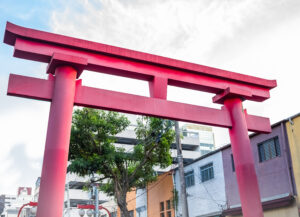
One of Holambra’s most photographed and most Instagrammed spots, a street canopy of hundreds of colorful open umbrellas strung overhead, creating a vibrant, festive tunnel of color that’s become the town’s most recognizable visual. Entry is free, the colors are extraordinary, and it’s almost impossible to take a bad photo here. Many charming spots like the Umbrella Street and the Tourist Portal are free to enjoy.

Boulevard Holandês and the Town Center
The Boulevard Holandês is the pedestrian heart of Holambra, a cheerful main street lined with Dutch-style buildings painted in bright colors, housing restaurants, chocolatiers, flower shops, souvenir boutiques, and the characteristic mix of Dutch and Brazilian commerce that defines the town’s character. Walking the Boulevard is the essential Holambra experience: stopping for a stroopwafel, browsing flower shops, photographing the architecture, and absorbing the unique cultural atmosphere.
Parque Van Gogh — Free Entry Flower Park
Named in honor of the painter most associated with flowers, Parque Van Gogh is a free public garden in the town center with flower displays, walking paths, and seasonal plantings that reflect Holambra’s horticultural identity. A good orientation point and a pleasant place to begin or end your visit. Entry is free.
Bloemen Park — Immersive Flower Experience
Bloemen Park is a dedicated flower experience park, an immersive walk through curated floral landscapes, themed garden zones, and photogenic installations designed to showcase Holambra’s horticultural creativity at its best. Entry costs R$40 and is particularly recommended during peak flower season (spring, September–November) when the displays are at their most spectacular.
Macena Flores — Sunflower Farm
Macena Flores is one of Holambra’s most beloved farm experiences, a working flower farm that opens to visitors for a guided walk through its production fields, with the main attraction being the opportunity to walk through sunflower fields in full bloom and take the kind of photographs that make everyone else slightly envious. Entry costs R$35 and includes access to the farm’s fields and photogenic installations. A beautiful, passionate place that guarantees excellent photos.

Museu Histórico de Holambra — Immigration Museum
The Historical and Cultural Museum of Holambra tells the story of Dutch immigration in Brazil with a collection of over 2,000 photographs, films, and domestic objects from the immigrant families. In the outdoor area, there are former machines and tractors used by the immigrants, as well as replicas of the houses where the first settlers used to live. Essential for understanding the context that makes Holambra so unusual, the museum transforms a pleasant day trip into something genuinely educational and moving.

Nossa Prainha and Deck do Amor
Nossa Prainha is a small lakeside beach within the town, one of those unexpected touches that make Holambra feel surprisingly complete as a destination. Deck do Amor (Lovers’ Deck) is a picturesque wooden pier over the lake, popular for sunset photographs and a romantic walk. Both are free to visit and contribute to Holambra’s reputation as a surprisingly scenic destination year-round.

Expoflora 2026: The Flower Festival not to miss
If there is one reason above all others to time your visit to Holambra, it’s Expoflora, the largest flower and ornamental plant exhibition in Latin America, held annually in the town during the spring flowering season. The event was created with the purpose of celebrating the arrival of spring and showcasing the region’s flower production, which accounts for about 40% of all flowers and ornamental plants produced in Brazil.
Realized since 1981, the Expoflora transformed Holambra into the flower capital of Brazil and consolidated the city as the largest national flower production hub. Every year, more than 300,000 visitors pass through the event to live an immersive experience among themed gardens, floral exhibitions, typical gastronomy, and cultural attractions.
Expoflora 2026 dates: August 28 to September 27, 2026 — Fridays, Saturdays, Sundays, and the national holiday of September 7 (Brazilian Independence Day), from 9am to 7pm. The event includes shows, Dutch dances, seasonal gardens adorned with lights and decorations, Dutch-inspired cuisine, and the famous Chuva de Pétalas (Petal Rain).
The festival occupies a park of 250,000 m² with cultural, artistic, gastronomic attractions and thousands of flowers in arrangements, themed gardens, and parades. Traditional Dutch foods featured at the event include stroopwafels, poffertjes (mini Dutch pancakes), bitterballen, croquettes, apple tart, and panekoek.
Practical Expoflora information for international visitors:
- Tickets typically start at approximately R$49.90 per person (early purchase discount available)
- Children up to 5 years enter free
- The festival is held on weekends only — plan your trip accordingly
- Accommodation in Holambra sells out weeks in advance during Expoflora — book months ahead
- Traffic on the approach roads to Holambra during Expoflora weekends can be intense — consider arriving by organized tour or shuttle
Book a guided flower tour of Holambra with Civitatis — organized tours from São Paulo to Holambra are particularly practical during Expoflora, as they handle the transport logistics and include a guide.
Expoflora attractions
Expoflora has many attractions that go well beyond flowers. They can change from year to year, here’s what was on offer in 2025, when I visited:
Floral Arrangement Exhibition: Elaborate scenarios created by renowned artists and decorators using stunning floral arrangements. It’s a showroom of ideas for weddings, quinceañeras, baby showers, and other celebrations.
Flower Shopping Area: A space for those who want to take a little of the Expoflora magic home, with ornamental plants and souvenirs. Over 4,000 varieties and approximately 300 species of flowers and ornamental plants are available.
Landscaping and Gardening Show: 18 complete environments created by landscape architects, designers, and florists to show how flowers and plants can transform different spaces — both indoors and outdoors, for a variety of purposes. The show blends tropical and exotic species with modern gardening techniques, material reuse, and accessible solutions.
Holambra Historical and Cultural Museum: As someone who loves museums, this was one of my favorite parts of the visit. Several spaces trace the city’s journey from the arrival of the Dutch immigrants to Holambra’s consolidation as Brazil’s national flower capital. A large hall features documents, objects, and photographs that tell the story, customs, and agricultural techniques of the Dutch settlers. There are also two houses that recreate the colonists’ way of life.

Flower Parade: Every day of Expoflora, starting at 4:00 PM, a parade departs from the Tulip Stage with decorated floats, dancers, floral characters, and lots of music. The parade makes its way toward the main stage — the Emotions Stage — where the Petal Rain takes place.
Petal Rain (Chuva de Pétalas): Considered the most anticipated moment of the entire festival — thousands of petals are released over the crowd. It happens every day at 4:30 PM, but I’d recommend arriving at the stage a little earlier. Each performance uses 150 kilograms of petals, totaling around 18,000 rose buds individually stripped one by one. All the petals are natural, and the spectacle is genuinely moving. I’ll share tips below on how to get the best spot for the Petal Rain.
Dutch Folk Dance: Performances that preserve the immigrants’ traditions, with traditional costumes and lively choreography. They take place on various stages throughout all festival days. Check the program so you don’t miss them!

Belly Dance: I didn’t know this before visiting, but there are Romani people among the Dutch community — they came to Brazil during the immigration wave and brought part of their culture with them, including belly dancing. The belly dance group performs on various stages throughout the festival days.

Theater Performances: These take place on stages throughout the event. In 2025, the theme was “The Elements Spectacle” — a story told by fairies, nymphs, and elves, with five enchanted characters representing Spring, Earth, Air, Fire, and Water.
Fazendinha (Little Farm): A space where visitors can get up close with various farm animals and learn about their habits and care. There are miniature cows, baby goats, sheep, ponies, chickens, ducks, geese, and rabbits, among others. The Fazendinha is located near the garden area and stays open throughout the entire exposition.
Traditional Gastronomy: My favorite part of the day! At Expoflora, you can try various Dutch dishes, artisan sweets, and specialty beers. There are restaurants, food stalls, and a large food court where you can buy traditional Dutch sausage, stroopwafel, Dutch torte, and cold draft beer. Beyond the Dutch specialties, there are also artisan ice creams made with flowers like roses and lavender.
Amusement Park: Several rides are scattered throughout the event — a Ferris wheel, carousel, Viking boat, and more. In 2025, each ride cost R$15, with half-price for people with disabilities and their companion. Packages of 10 advance tickets are available on the official website.
With so many options, it’s easy to understand why the event draws so many visitors every year — Expoflora is a full celebration of culture, nature, and joy.
Expoflora 2026 Ticket Prices
Tickets for Expoflora 2026 are already on sale online, and prices vary by type and day:
- Children up to 5 years: Free
- Half-price tickets (students, seniors 60+, people with disabilities and one companion, low-income youth aged 15–29, and public school teachers and staff): R$46.90 on Fridays, R$49.90 on Saturdays and Sundays
- Full-price tickets: R$93.80 on Fridays and R$99.80 on Saturdays and Sundays — however, everyone can purchase the Solidarity Ticket for R$51.90 on Fridays and R$54.90 on Saturdays and Sundays
These prices are valid until the first ticket batch closes on June 17, 2026 — after that, prices will increase slightly. We’ll keep you updated!
What your ticket includes
Your ticket gives you access to all fixed attractions at the event, including:
- Floral Arrangement Exhibition
- Flower Shopping Area (plants and flowers for purchase are not included in the ticket)
- Landscaping and Gardening Show
- Holambra Historical and Cultural Museum
- Flower Parade
- Petal Rain
- Dutch Folk Dance
- Belly Dance
- Theater Performances
In other words, even without spending on any extras, visitors already get a complete, immersive experience in the world of flowers and Dutch culture.
My experience at Expoflora 2025
I went to Expoflora with my parents and my partner João on Sunday, September 14th, and loved every minute of it. One money-saving tip: if you’re driving, buy your parking ticket and restaurant entry in advance online, it’s cheaper. We paid R$64.90 for parking in advance; at the gate it costs R$70.00.
As it turned out, we didn’t use the parking because our car had an issue and we ended up going by Uber. A useful tip for those coming from Campinas or the surrounding area: Uber and 99 work well for the trip there. We paid around R$80.00 each way. For the return journey, we took a bus from Jaguariúna, finding an Uber directly to Campinas at peak exit time was difficult, probably due to the volume of people leaving.
The biggest advantage of booking in advance was clearly at the restaurant. We pre-booked unlimited buffet entry at Restaurante Tulipa for R$59.90 per person, you could go back as many times as you wanted, with only drinks excluded. On the day, the only option was pay-by-weight, which I imagine would have been significantly more expensive.
Another restaurant tip: if possible, go early, around 11:30 AM. It gets very crowded after that, with queues to get in.

Because of the car situation, we arrived at around 11:30 AM, but I’d recommend aiming for 9:00 AM opening time to see the attractions before the crowds build. By the time we arrived, it was already quite busy.
Our Uber driver dropped us right in front of the Moinho Povos Unidos windmill, so we took some photos there first. Then we walked to the entrance — it’s a short walk — and headed straight to lunch.
After eating, we explored the various environments and caught some of the theatrical and dance performances that happen at intervals on the various stages.
The museum was, for me, one of the highlights of the whole day. I really enjoyed learning more about Holambra’s history.
After sampling lots of delicious food and trying a few rides at the amusement park, we made our way to the Emotions Stage, where the Petal Rain happens, around 3:40 PM. And here’s the real insider tip:
If you want to be close to the Petal Rain, get there early. Essentially everyone at the exposition makes their way there at the end of the day, and it gets genuinely packed.
We got there early and sat right at the front of the space used for the final Dutch folk dance performance, which starts at 4:00 PM. That performance turned out to be particularly special, three marriage proposals happened during it!
When the dance ends, they open up the reserved performance area and everyone stands together to wait for the Petal Rain. It was genuinely emotional. They say that if you catch a petal before it touches the ground and make a wish, it will come true. I made mine.
Right after the Petal Rain, we began making our way to the exit. The Expoflora stays open until 7:00 PM, so staying a while after the Petal Rain can actually be a good strategy, the majority of visitors leave immediately after, which means the rest of the event becomes noticeably more peaceful for those who stay.
Holambra beyond Expoflora: year-round attractions
One of the most important things to know about Holambra is that it is a good surprise for those who are willing to know its charms at any time of the year. The town is not just a one-month festival destination. The windmill, the Boulevard Holandês, the flower farms, the museums, the restaurants, and the distinctive architecture are available to enjoy year-round. Peak flower bloom is April-May — before the Expoflora spring season, which is worth knowing for visitors who want beautiful flower displays without the September crowds.
The Holambra Christmas Festival (Holambra in Lights) is another major annual event, typically running from mid-November through mid-December. Families enjoy an amusement park, musical shows, Dutch dances, and seasonal gardens adorned with lights and decorations, complemented by Dutch-inspired cuisine. This festive period transforms the town into a European-Christmas-style winter wonderland — remarkable in tropical Brazil — and is increasingly popular with Brazilian families from São Paulo.
Easter in Holambra is another celebrated event, with special programming centered on the town’s Dutch-Catholic heritage and extensive chocolate events.
Things to do in Holambra: tours and activities
Guided City Tour
Book a guided sightseeing tour of Holambra with Civitatis — a well-organized introduction to the town’s main attractions including the windmill, Boulevard Holandês, Parque Van Gogh, and the historical museum. Ideal for first-time visitors who want to understand the context before exploring independently.
Full Day Tour
Book a full-day tour of Holambra with Civitatis — a comprehensive full-day experience covering flower fields, pepper farm, windmills, parks, lakes, and Dutch sweet shop, plus a visit to the Dutch immigration museum. The most complete single-day experience of Holambra available.

Private Tour
Book a private tour of Holambra with Civitatis — a customized private experience for couples, families, or small groups who want a personalized itinerary and a dedicated guide. Pickup from your São Paulo hotel included.
Bike Tour
Book a bike tour of Holambra with Civitatis — explore the town and its surrounding flower fields by bicycle. One of the most pleasant ways to see Holambra at a relaxed pace, particularly in the morning or late afternoon when the light on the flower fields is at its most beautiful.
Day Trip to Northern São Paulo State
Book a northern São Paulo day trip from Holambra with Civitatis — extend your visit to explore the broader region around Holambra, including the charming small towns of the interior.
Serra Negra, Socorro, and Monte Alegre do Sul Day Trip
Book a day trip to Serra Negra, Socorro, and Monte Alegre do Sul from Holambra with Civitatis — a scenic excursion through the mountain towns of the São Paulo interior, combining European-influenced small-town charm with beautiful rural landscapes.
Getting to Holambra from São Paulo
By car — recommended
The most flexible and convenient option. Holambra is approximately 120–140 km from São Paulo city center, a drive of approximately 1.5 to 2 hours depending on traffic. The route follows the Anhanguera Highway (SP-330) or the Bandeirantes Highway (SP-348) toward Campinas, then the SP-107 toward Holambra. The roads are well-maintained and clearly signposted.
During Expoflora weekends, traffic on the approach roads can be significant — plan to arrive early (by 9am opening) or slightly later (after 11am when the initial rush clears). Road operations during peak events typically include enhanced signage and emergency support.
Compare car rental rates in São Paulo on Rentcars.com — the most convenient option for traveling from São Paulo to Holambra at your own pace. Pick up at Guarulhos or Congonhas airport and drive directly.
By bus — budget option
Buses run from São Paulo’s Tietê bus terminal to Holambra and nearby Campinas (Campinas has more frequent connections). The journey takes approximately 2–2.5 hours. From Campinas, local buses and taxis connect to Holambra (about 30 minutes). Not the most convenient option for a day trip, but viable for budget-conscious travelers.
Book your bus tickets with my coupon on Buser!
By organized tour — most convenient
For visitors based in São Paulo who don’t want to drive or navigate public transport, organized tours from São Paulo to Holambra are the most convenient solution — particularly during Expoflora, when traffic management and parking add complexity.
Browse all Holambra tours and transfers from São Paulo on Civitatis — including guided tours with hotel pickup, private options, and transfer-only services.
Book transfers to/from Holambra with Civitatis — door-to-door transport between your São Paulo hotel and Holambra.
Getting around Holambra
The town center of Holambra is compact and best explored on foot. The main attractions — the windmill, Boulevard Holandês, Parque Van Gogh, Umbrella Street, Deck do Amor — are all within comfortable walking distance of each other. The wider flower farms and parks (Bloemen Park, Macena Flores) are slightly further and accessible by taxi or bike.
Where to stay in Holambra
While most visitors experience Holambra as a day trip from São Paulo or Campinas, staying overnight adds a completely different dimension to the experience — the town is extraordinarily beautiful in the early morning and evening light, when the day-trippers have left and the streets belong to you.
Royal Tulip Holambra is the most prestigious hotel in the town, with the facilities and standard expected of the Tulip brand — pools, spa, excellent breakfast, and a location that puts you right in the heart of the Holambra experience. The name alone — a Dutch flower brand in a Dutch-Brazilian town — feels fitting.
Villa de Holanda Parque Hotel and Hotel Flores de Holambra offer comfortable mid-range options with Dutch-inspired décor and good access to the town’s attractions. Both are highly rated by Brazilian visitors.
Hotel 1948 — the year references the founding of the Dutch colony, and the property leans into the historical identity with its design and character. One of the better-reviewed options in the mid-to-upper range.
Holambra Garden Hotel and Shellter Hotel offer more affordable options that still deliver the flower-town atmosphere, with gardens, pools, and comfortable facilities.
Booking advice: During Expoflora (August–September) and the Christmas festival (November–December), accommodation in Holambra fills completely, often months in advance. If you’re planning to visit during these peak periods, booking at least 3–4 months ahead is strongly recommended.
Where to eat in Holambra
Holambra has one of the most distinctive dining scenes of any small town in Brazil, the Dutch heritage is immediately visible on menus, with traditional Dutch dishes appearing alongside Brazilian staples in restaurants that often look like they were transported from Amsterdam.
Expoflora itself has several restaurants, and you can buy your buffet entry ticket in advance through the official website at a lower price — that’s exactly what I did! The Expoflora restaurants are:
- Restaurante Amsterdam (exclusive for groups and tour packages)
- Restaurante Fazenda
- Restaurante Tulipa
You can browse each restaurant’s menu on the official website. There are also other dining options inside Expoflora, including:
- Vanilla Ice Self-Service Ice Cream
- Beer Station
- Sorveteria das Flores (Flower Ice Cream Shop)
- Frozen Yogurt
- Martin Holandesa (restaurant and confectionery)
- Restaurante Casa Bela
- Quinta do Olivardo
- and more
Inside the Expoflora park, there’s also the Petunia Food Court with quick bites and snacks, plus themed kiosks serving traditional Dutch delicacies. And if you’re planning to explore Holambra beyond the Expoflora festival, you can check out the best restaurant options in the area on Tripadvisor.

Holambier (4.9 stars — the highest-rated restaurant in the town) is the first choice for many visitors — a beloved local institution known for excellent food and a genuinely local atmosphere.
Restaurante Lago do Holandês (4.8 stars) offers a lakeside setting and a menu that represents the Holambra experience well — Dutch-inspired dishes in a scenic setting.
Casa Bela Café e Restaurante (4.6 stars, 7,900+ reviews) is a reliable, popular choice for a full meal with a good balance of Dutch and Brazilian options. Great for families.
Martin Holandesa and De Immigrant Restaurante Garden both specialize in traditional Dutch cuisine — the place to try joelho de porco (pork knuckle, a Dutch-Germanic staple), stroopwafels, poffertjes, and bitterballen in a setting that makes the experience feel authentic.
Confeitaria Zoet en Zout (“Sweet and Salty” in Dutch) is the top dessert destination — a Dutch-style confectionery serving traditional pastries, cakes, and sweet treats. A mandatory stop for anyone with a sweet tooth.
Traditional Dutch foods to try in Holambra:
- Stroopwafel — the iconic thin waffle sandwich with caramel syrup filling
- Poffertjes — mini Dutch pancakes, served with powdered sugar and butter
- Bitterballen — crispy Dutch snacks with a creamy meat filling
- Joelho de porco — slow-cooked pork knuckle, the Dutch-Germanic comfort food classic
- Panekoek — Dutch-style thin pancakes, larger and thinner than poffertjes
- Appeltaart — Dutch apple tart, a staple of every café in Holambra
Best time to visit Holambra
Expoflora season (late august to late september) — Peak Flower Festival
The most spectacular time to visit, and the most crowded. The Expoflora 2026 will take place from August 28 to September 27, on Fridays, Saturdays, Sundays, and the national holiday of September 7, from 9am to 7pm. If experiencing the full flower festival is your goal, this is your window — but book everything months in advance.
Spring flower bloom (september to november) — beautiful and slightly less crowded
After Expoflora concludes, the spring blooming season continues through October and November. The best time to visit Holambra is during the spring months of September to November when the flowers are in full bloom. Post-Expoflora weekends offer good flower displays with more manageable crowds and availability.
April to may — peak flower fields without the festival crowds
Peak flower bloom is April-May, not September. This is a genuinely excellent time to visit Holambra — the flower fields are at their most productive, the town is beautiful, accommodation is available, and the crowds are a fraction of what Expoflora attracts. A strong recommendation for travelers who prioritize the landscape over the festival atmosphere.
christmas festival (mid-november to mid-december) — festive magic
The 2025 edition occurred from November 14 to December 14, with evening hours on Fridays and Saturdays. The Christmas festival has become a major event in Holambra’s calendar and is particularly appealing for families. Holambra at Christmas — decorated with lights, with Dutch Christmas traditions, in a town that already looks European — is a genuinely magical experience.
Year-round — weekday visits for maximum tranquility
Holambra outside of festivals and weekends is a different experience entirely — peaceful, unhurried, and beautifully photogenic. If you’re based in São Paulo and want to avoid crowds entirely, a midweek visit gives you the town almost to yourself.
Holambra and Campinas: planning a combined visit
Given Holambra’s proximity to Campinas — approximately 25–30 km — combining the two in a single trip is an excellent option for visitors with more than a day to spare.
Campinas is one of Brazil’s most important cities — a major technology, research, and agricultural hub with a population of over 1.2 million, excellent museums, a vibrant restaurant scene, and its own airport (Viracopos International, VCP) with connections to most major Brazilian cities. Staying in Campinas and making Holambra a day trip is particularly practical for visitors arriving by air from São Paulo or other Brazilian cities.
See our complete guide to Campinas, São Paulo for detailed information on what to do in the city.
Is Holambra safe for international tourists?
Holambra is considered one of the safest destinations in São Paulo state for visitors. It’s a small town with a strong community identity, an economy built on tourism and agriculture, and virtually none of the urban safety concerns associated with larger Brazilian cities. International visitors consistently report feeling completely comfortable exploring on foot, at any time of day.
The main practical safety consideration for Holambra is traffic during Expoflora — the approach roads can be congested on busy weekends, and parking within the town can be challenging. Arriving with an organized tour or shuttle significantly simplifies this.
Travel insurance is always recommended for international travel to Brazil. Even in safe, rural destinations, medical emergencies and unexpected costs can arise. SafetyWing offers flexible, affordable international travel coverage from ~USD $42/month, covering medical emergencies and trip interruption. We recommend it for every Brazil trip.

Practical information for international visitors
| Location | Interior of São Paulo state, ~120–140 km from São Paulo city |
| Nearest major city | Campinas, ~25–30 km |
| Distance from São Paulo | ~120–140 km, ~1.5–2 hours by car |
| Expoflora 2026 dates | August 28 – September 27, 2026 (Fri/Sat/Sun + Sept 7 holiday) |
| Currency | Brazilian Real (BRL) |
| Language | Portuguese; limited English outside major hotels and some Dutch spoken by older residents |
| Best flower season | April–May (fields) and August–November (Expoflora + spring) |
| Recommended stay | Day trip from São Paulo, or 1–2 nights for a relaxed visit |
| Safety | Excellent — one of São Paulo state’s safest destinations |
Connectivity
Mobile coverage is good throughout Holambra. For travelers exploring multiple cities in São Paulo state, a Brazil eSIM card from Civitatis is a practical solution — easy to activate before arrival with national 4G coverage.
How long do you need in Holambra?
Half day (4–5 hours): Covers the windmill, Boulevard Holandês, Umbrella Street, Parque Van Gogh, and lunch at one of the Dutch restaurants. A solid introduction.
Full day: Adds Bloemen Park or Macena Flores, the immigration museum, Deck do Amor, and more time for shopping and exploring the town at a leisurely pace. The recommended option for most visitors.
1–2 nights: Transforms Holambra from a day trip into a genuine destination — morning flower field walks, evening lakeside strolls, a full Expoflora day, and the experience of a quiet Dutch-Brazilian village after the day-trippers have gone. Particularly recommended during Expoflora or the Christmas festival.
Book your Holambra experiences
→ Browse all Holambra tours on Civitatis — full-day tours, bike tours, private experiences, flower tours, and transfers
→ Full-day guided tour of Holambra — the complete Holambra experience in one day
→ Private Holambra tour — customized itinerary with São Paulo hotel pickup
→ Flower tour of Holambra — the essential floral experience
→ Bike tour of Holambra — explore flower fields and town by bicycle
→ Sightseeing tour of Holambra — highlights tour for first-time visitors
→ Serra Negra, Socorro & Monte Alegre day trip — explore the charming mountain towns nearby
→ Northern São Paulo day trip from Holambra
→ Transfers to/from Holambra — door-to-door from your São Paulo hotel
→ Compare car rental rates in São Paulo on Rentcars.com — best for flexible self-drive exploration
→ Get travel insurance from SafetyWing — from ~USD $42/month
→ Get a Brazil eSIM card — national coverage from arrival
Keep exploring São Paulo state
- São Paulo City: Complete Travel Guide
- Campinas, São Paulo: Travel Guide
- São Paulo State Destination Guides
Frequently Asked Questions about Holambra
Where is Holambra located? Holambra is located in the interior of São Paulo state, southeastern Brazil, approximately 120–140 km northwest of São Paulo city and about 25–30 km from Campinas. It sits in the rolling agricultural countryside of the state’s interior.
What is Holambra famous for? Holambra is known as the National Capital of Flowers of Brazil — the largest producer of cut flowers and ornamental plants in Latin America, supplying approximately 45% of all flowers sold in Brazil. It’s also famous for its Dutch heritage, windmill, Dutch architecture, Expoflora festival, and unique blend of Dutch and Brazilian culture.
When is the best time to visit Holambra? For the Expoflora festival: late August to late September. For flower fields without festival crowds: April to May. For year-round charm: any time — Holambra is beautiful in every season. For the Christmas experience: mid-November to mid-December.
What is Expoflora and when does it happen? Expoflora is the largest flower and ornamental plant festival in Latin America, held annually in Holambra. The 2026 edition runs from August 28 to September 27, on Fridays, Saturdays, Sundays, and the September 7 national holiday, from 9am to 7pm. It attracts over 300,000 visitors per edition.
How far is Holambra from São Paulo? Approximately 120–140 km by road, a drive of 1.5 to 2 hours depending on traffic via the Anhanguera or Bandeirantes highways toward Campinas, then the SP-107.
Are there flights to Holambra? Holambra has no commercial airport. The nearest airports are Campinas Viracopos International Airport (VCP), approximately 40 km away, and São Paulo’s Guarulhos International Airport (GRU), approximately 130 km away. From both airports, renting a car is the most convenient option.
How much does a day in Holambra cost? A typical full day in Holambra includes: Moinho windmill entry (~R$16), Bloemen Park or Macena Flores (~R$35–40), lunch at a Dutch restaurant (R$60–180 per person), desserts and snacks (R$20–40), and souvenirs. A comfortable full day for two people (excluding accommodation and transport) typically costs R$300–600. During Expoflora, add the event ticket (~R$49.90+ per person).
Disclosure: This article contains affiliate links. If you book through our links, we may earn a small commission at no extra cost to you. We only recommend services we genuinely trust and believe will enhance your trip.



Pingback: Basic Portuguese words and phrases for tourists: the complete Brazil travel guide - Do in Brazil