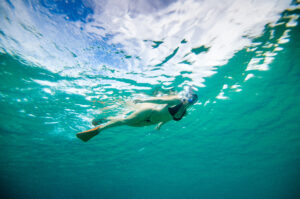

There is a moment, just as you navigate the winding coastal highway through southern Bahia, where the dense canopy of the Atlantic Forest parts to reveal the Atlantic Ocean crashing against emerald-green headlands. This is itacare brazil, a place where the tropical rainforest does not just neighbor the coast—it tumbles directly into the sea.
For decades, Itacaré remained one of South America’s best-kept secrets. Originally a quiet fishing village and a major port during the 19th-century cocoa boom, its geographical isolation preserved its wild, untamed nature while other coastal towns surrendered to concrete development. When surfers discovered its world-class point breaks and sandy coves in the 1980s, Itacaré began its transformation into an eco-tourism paradise.
Today, the town offers an irresistible blend of adventurous rainforest trails, hidden waterfalls, pristine surfing beaches, and an authentic Afro-Bahian culture. Whether you are seeking high-end luxury in a secluded jungle resort, looking to learn how to surf, or simply wanting to unplug on untouched beaches, this complete guide covers everything you need to know to plan a safe, seamless, and unforgettable trip to Itacaré, Bahia.
🧳 Plan your trip to Brazil
🏨 Hotels: Browse the best hotels on Booking.com
🎟️ Tours & activities: Find tours on Civitatis ·
🚗 Car rental: Compare prices on Rentcars
🛡️ Travel insurance: Get a quote here
Where is Itacaré in Brazil?
When you look at the map of Bahia, a state roughly the size of France, the coastline stretches for over a thousand kilometers. About halfway down this maritime ribbon, south of the Bay of All Saints and north of the Abrolhos Archipelago, sits itacare bahia brazil.
Geographically, Itacaré occupies a unique ecological sweet spot known as the Cocoa Coast (Costa do Cacau). It lies precisely where the dark waters of the Contas River spill into the Atlantic Ocean. Unlike the flat, palm-studded coastlines found further north around Salvador or the cliff-backed beaches near Trancoso, the topography here surges upward. Steep hills blanketed by primary Atlantic forest run straight down to meeting points with the sea, carving out hidden coves, natural river estuaries, and isolated sandy bays.
To orient yourself with regional distances:
- Ilhéus: 75 kilometers (46 miles) south via the BA-001 paved highway.
- Salvador: 250 kilometers (155 miles) north in a straight line, though driving around the bay covers roughly 390 kilometers (242 miles).
- Porto Seguro: 270 kilometers (167 miles) south along the coastal road network.
Understanding where is itacare in brazil helps explain why the town managed to preserve its distinct, untamed environment for so long. Isolated by dense jungle and rivers on three sides and the open ocean on the fourth, it remained a remote enclave long after other Brazilian coastal towns surrendered to mass tourism.
A brief history of Cidade de Itacaré
The modern town known locally as the cidade de itacaré began its life far away from the tourist radar. Long before European ships anchored off the coast of South America, the region was inhabited by the Tupinambá people, who fished the Contas River and hunted in the surrounding rainforest.
Jesuit priests established the settlement of São Miguel da Barra do RIO das Contas in 1732. For nearly two centuries, the town served as a quiet river port. However, during the late nineteenth and early twentieth centuries, southern Bahia experienced a massive economic explosion driven by cocoa farming. Wealthy plantation owners (coronéis do cacau) built grand Portuguese-style townhouses along the riverfront, using the port of Itacaré to ship dried cocoa beans out to global markets.
🌐 Stay Connected While Exploring Bahia
Navigating trail maps and ordering ride shares in rural Bahia requires reliable data. Avoid expensive international roaming charges by picking up a Civitatis Brazil eSIM Card before your flight.
That golden economic era collapsed catastrophically in 1989 when a fungal disease called Vassoura-de-Bruxa (Witch’s Broom) swept through the region’s cocoa plantations, destroying crops and bankrupting landowners overnight. Yet, this economic tragedy inadvertently saved Itacaré’s environment. Without money for major industrial development or real estate expansion, the surrounding rainforest remained largely intact.
Surfers discovered the town’s world-class waves in the 1980s, arriving on dirt tracks with boards strapped to their vehicles. When the state government paved the BA-001 highway from Ilhéus to Itacaré in 1998, it officially opened the doors to eco-tourism. Today, the town balances its historic colonial roots with a laid-back surf culture and an increasing number of high-end boutique retreats.
What to do in Itacaré, Brazil: Beaches, trails, and adventures
When asking what to do in itacare brazil, the answer almost always begins at the edge of the ocean. The coastline around town is divided into two distinct geographical zones: the Urban Beaches (Praias Urbanas), which sit within easy walking distance of the main town center, and the Rural Beaches (Praias Rurais), which require brief drives or rainforest hikes to reach.
The urban beaches: walkable coastal gems
You do not need a vehicle to enjoy your first few days exploring the local itacaré praias. A paved walking trail connects four distinct beaches right on the edge of the town center.
1. Praia da Concha
Located right at the mouth of the Contas River, praia da concha is the most developed and calmest beach in town. Because it sits inside a protected bay, the water here resembles a warm, tranquil lake with virtually no waves. The shore is lined with wooden beach kiosks serving fresh coconut water, ice-cold caipirinhas, and grilled seafood under the shade of almond trees. It is the premier spot in town for stand-up paddleboarding, kayaking, and family swimming.
2. Praia do Resende
A short walk over a small forested headland brings you to Praia do Resende. Framed by coconut palms and rocky outcrops, this beach feels completely removed from the town despite being only five minutes from the main pedestrian street. The waves here are consistent, making it a favorite spot for local surfing schools.
3. Praia da Tiririca
Just past Resende lies praia da tiririca, the undisputed beating heart of Itacaré’s surf culture. Flanked by steep green hills, this small cove features powerful, punchy waves that break close to the shore. Professional surf competitions take place here throughout the year. You will find local surfers riding waves from dawn until dusk, alongside small wooden stalls selling fresh acai bowls and tapioca.
4. Praia da Costa and Praia do Ribeirinho
Continuing south, Praia da Costa is a wilder, unshaded beach with heavy shorebreaks that are better suited for sunbathing than swimming. The urban trail ends at Praia do Ribeirinho, a peaceful cove where a freshwater stream meets the sea, creating a refreshing place to wash off salt water after a long day in the sun.
🌊 Local Highlight: Combine pristine rainforest trails with hidden coastal waterfalls on a guided excursion. You can book the Itacaré Beaches & Tijuípe Waterfall Tour to explore the region’s best natural swimming spots with a local guide.
The rural beaches: hidden paradise via rainforest trails
To experience the wild, untouched essence of itacare bahia brazil, you must head south of town along the BA-001 highway to explore the isolated beaches carved into environmental protection zones.
Trilha das 4 Praias (The 4 Beaches Trail)
The trilha das 4 praias is perhaps the most famous day hike in southern Bahia. This well-maintained trail cuts through primary Atlantic rainforest, crossing small wooden bridges, freshwater streams, and coconut groves to connect four pristine beaches:
- Praia da Engenhoca: A long, crescent-shaped bay surrounded by thick green jungle. praia da engenhoca is famous among longboarders for its smooth, gentle waves that roll consistently into the bay.
- Praia do Havaizinho: A smaller, rocky cove where dramatic waves crash against stone walls. A few local vendors set up rustic wooden tables here, serving fresh coconut water and fried fish under the shade of palm trees.
- Praia da Camboa: A quiet, rarely visited stretch of sand accessible via a short detour along the coast.
- Praia do Itacarezinho: A vast, 3.5-kilometer stretch of coastline dotted with thousands of coconut palms. It serves as an important nesting ground for sea turtles between October and March. The northern end features a high-end beach club, while the rest remains wide, open, and completely wild.
Praia de Jeribucaçu and Cachoeira da Usina
Jeribucaçu is widely considered one of the most beautiful beaches in all of Brazil. Tucked inside a deep valley, it is reachable via a 30-minute downhill hike through native forest. What makes Jeribucaçu magical is the Itacarezinho River, which winds through a dense mangrove forest before spilling into the ocean right on the beach. You can swim in warm, clear freshwater on one side of the sandbar and jump into ocean waves on the other.
Many travelers choose to combine Jeribucaçu with a stop at Cachoeira da Usina, a swimming hole and waterfall hidden inside the forest. Navigating the muddy trails and mangrove river crossings is significantly easier with local assistance. You can arrange this trip via the Jeribucaçu Beach, Arruda Beach & Usina Waterfall Tour.
Sunsets at Mirante do Xaréu
At the end of the afternoon, the entire town drifts toward the northern edge of the coastline. mirante do xareu is a rocky headland located between Praia da Concha and the mouth of the Contas River.
As the sun dips toward the horizon, it sets directly over the river estuary, painting the sky in deep shades of orange, purple, and pink. Local musicians often gather on the rocks to play acoustic guitar, capoeira groups practice along the sand below, and vendors sell cold beers and fresh caipirinhas right from coolers. It is an unmissable daily ritual when visiting Itacaré.

Unmissable day trips and adventures around Itacare
While the beaches could easily keep you occupied for weeks, the surrounding region offers incredible day-trip opportunities spanning river adventures, chocolate tasting, and island hopping.
1. Vila Rosa Cacao Farm: History and Craft Chocolate
You cannot understand southern Bahia without understanding cocoa. The region around Itacaré is experiencing a major agricultural renaissance, shifting from mass cocoa production toward high-end, bean-to-bar craft chocolate.
At Fazenda Vila Rosa, located along the Contas River in nearby Taboquinhas, you can walk through historic cocoa plantations shaded by the rainforest canopy (sistema cabruca). A guided visit walks you through the entire chocolate-making process, from harvesting the yellow cocoa pods and fermenting the beans to drying them on wooden platforms. The tour ends with a generous tasting of fresh cocoa fruit juice, raw cacao nibs, and artisanal dark chocolates. Book your visit through the Vila Rosa Cacao Farm Tour.
2. Contas River Boat Rides and Whitewater Rafting
The Rio de Contas is one of Bahia’s most important waterways. Heading upstream from Itacaré by boat reveals a side of the region that few tourists see. Dense mangrove forests line the riverbanks, giving way to rocky gorges and hidden waterfalls as you head inland.
For a relaxed day out, you can take a scenic pontoon boat ride up the river to visit small riverside communities, swim in clean freshwater pools, and sample homemade cocoa spirits at local farms. Check out the Contas River Boat Ride for a leisurely day on the water.
If you are seeking adrenaline, head further inland to the town of Taboquinhas, where the river narrows into steep rapids. Here, you can paddle through class III and IV rapids surrounded by towering green jungle canyon walls. Secure your spot on the water via the Contas River Whitewater Rafting Excursion.
3. Maraú Peninsula: Taipu de Fora and Natural Pools
Just south of Itacaré sits the Maraú Peninsula, home to some of the most spectacular marine life in Bahia. The headline attraction here is Taipu de Fora, a beach famous for its massive natural coral pools that appear during low tide.
During new and full moons, the tide retreats to reveal vast, shallow swimming pools right off the shore. The water inside these pools is crystal clear, warm, and teeming with colorful tropical fish, sea anemones, and coral formations. You can easily spend hours snorkeling in water that feels like a natural aquarium.
A day trip down the peninsula often includes stops at the dramatic rock formations of Pedra Furada and small offshore islands. You can arrange this coastal journey through the Taipú de Fora & Pedra Furada Islands Excursion.
🚗 Exploring Bahia at Your Own Pace: While guided tours are great for hidden trails, renting a car gives you total freedom to stop at roadside coconut stands and isolated beach lookouts. You can compare rates and book vehicles directly at Ilhéus Airport through Rentcars.com.
How to get to Itacaré, Brazil
Understanding how to get to itacare brazil is essential for a smooth journey, as the town does not have its own commercial airport.
✈️ Flying into Bahia?
Find the best flight connections to Ilhéus (IOS) or Salvador (SSA) from major international hubs using Booking.com to organize your air travel alongside your stay.
1. Via Ilhéus Airport (Jorge Amado Airport – IOS)
The closest commercial airport to Itacaré is located in the neighboring city of Ilhéus. This regional airport receives frequent daily domestic flights from major hubs like São Paulo (GRU and CGH), Rio de Janeiro (GIG), and Salvador (SSA).
Once you land at Ilhéus Airport, completing the trip from itacare to ilheus takes about 1 hour and 15 minutes by road along the scenic BA-001 highway. You have three primary transport options from the airport:
- Private or Shared Transfers: Local travel agencies meet arriving flights and provide direct door-to-door shuttle services to your pousada in Itacaré.
- Rental Car: Picking up a rental car directly at Ilhéus Airport is straightforward. The drive north along the BA-001 is fully paved, well-signposted, and relatively easy to navigate.
- Public Bus: You can take a quick taxi from the airport to the main Ilhéus bus station (rodoviária). From there, local bus companies like Rota Transportes run buses to Itacaré roughly every hour between 6:00 AM and 7:00 PM. The bus ticket costs under 30 BRL ($6 USD), and the trip takes about 1 hour and 45 minutes.
2. Via Salvador (capital route)
If you arrive via international flights into Salvador, getting down to Itacaré requires a bit more planning. You can choose between two main routes:
- Ferryboat + Highway: From Salvador’s São Joaquim terminal, take the 1-hour passenger and vehicle ferry across the Bay of All Saints to Bom Despacho on Itaparica Island. From Bom Despacho, you can hire a car or take a direct long-distance bus down the BA-001 highway straight to Itacaré. This overland route takes roughly 5 to 6 hours.
- Domestic Flight Connection: The fastest option is booking a quick 45-minute regional flight from Salvador (SSA) directly down to Ilhéus (IOS), then taking a taxi or shuttle north to Itacaré.
3. Traveling from Porto Seguro
If you are combining Itacaré with a broader trip through southern Bahia, calculating the distancia de porto seguro a itacare is useful. The distance is roughly 270 kilometers. Driving takes about 4.5 to 5 hours heading north on the BR-101 and BA-001 highways, taking you past popular coastal destinations like Arraial d’Ajuda, Porto Seguro, and the bohemian village of Caraíva.
Where to stay in Itacaré: pousadas, boutique hotels, and resorts
Accommodation in Itacaré caters to every style of traveler, ranging from charming, family-run inns (pousadas) to secluded eco-resorts hidden in the rainforest canopy.
Top neighborhoods to base yourself
- Rua Pedro Longo (Pituba): The main pedestrian drag lined with bars, boutiques, and restaurants. Staying here or on the quiet side streets nearby means you can walk to dinner every night and reach the urban beaches on foot in under ten minutes.
- Praia da Concha: A peaceful, upscale neighborhood surrounding the calm river beach. It offers leafy, residential streets filled with charming pousadas. It is quiet at night yet only a ten-minute walk from Pituba.
- Praia do Resende / Tiririca: Ideal for surfers and travelers who want to wake up to the sound of crashing ocean waves. Properties here sit right on the edge of the coastal forest.
- Rural Beaches & Rainforest Slopes: Located along the BA-001 highway outside of town. Perfect for honeymooners or travelers seeking total immersion in nature and luxury isolation.

High-end luxury and boutique hideaways
Txai Resort
Considered one of the most exclusive eco-resorts in South America, txai resort sits on a secluded 92-hectare coconut plantation along Itacarezinho beach. Guests stay in spacious wooden bungalows built on stilts, featuring open-air showers, private plunge pools, and sweeping ocean views. The resort focuses heavily on sustainability, regional gastronomy, and high-end wellness treatments at its hilltop spa.
Terra Boa Hotel Boutique
Located in a quiet residential area near Praia da Concha, terra boa hotel boutique itacare brazil offers a polished, sophisticated stay close to the town center. The property features a large swimming pool surrounded by tropical gardens, a poolside bar, a sauna, and beautifully appointed modern rooms. It is a fantastic option for couples looking for luxury amenities within walking distance of local dining.
A Casa de Gabriella
Sitting in the heart of the Praia da Concha neighborhood, a casa de gabriella itacare brazil feels like staying at a wealthy friend’s private beach villa. This boutique property features minimalist design touches, personalized service, an outdoor swimming pool, and an exceptional daily breakfast filled with homemade Bahian pastries and tropical fruits.
🏨 Ready to book your stay in Itacaré?
Compare real-time availability, secure flexible cancellation options, and browse thousands of guest reviews on Booking.com.
Charming mid-range pousadas
Pousada Villa Maeva
Positioned just a short walk from the water at Praia da Concha, pousada villa maeva itacaré blends rustic Bahian wooden architecture with clean, modern comfort. Rooms feature private balconies with hammocks, tropical garden views, and excellent air conditioning.
Pousada Pedra Torta
A long-standing local favorite, pousada pedra torta itacare sits in a tranquil corner of the Concha district. It features a spacious central swimming pool, bright, airy guest rooms, and a helpful front-desk team that can easily coordinate local surfing lessons, waterfall hikes, and airport transfers.
Pousada Pura Vida
For travelers seeking a laid-back, community-focused vibe, pousada pura vida itacare brazil sits close to Praia do Resende. Owned by surf enthusiasts, it offers comfortable, budget-friendly rooms surrounded by lush gardens, complete with shared hammocks and a relaxed atmosphere perfect for meeting fellow travelers.
Itacaré, Brazil weather: best time to visit
Understanding the itacare brazil weather requires looking at rainfall patterns rather than temperature drops. Because Itacaré lies near the equator, temperatures remain warm and tropical year-round, typically hovering between 23°C and 30°C (73°F to 86°F). Ocean temperatures are equally inviting, rarely dropping below 25°C (77°F).
Seasonal overview
- Summer (December to March): Hot, energetic, and sunny. Daytime temperatures routinely reach 30°C (86°F). This is the peak domestic holiday season, meaning the town is lively, restaurants are buzzing, and evening street parties occur daily. Afternoon tropical rain showers are common but pass quickly.
- Autumn & Early Winter (April to July): This period brings higher rainfall levels to southern Bahia. While you will still experience plenty of warm, sunny days, prolonged rain showers are more frequent. The upside? Waterfalls are flowing at full capacity, rainforest trails are impossibly green, and accommodation rates drop significantly.
- Late Winter & Spring (August to November): Widely considered the sweet spot for international visitors. Rainfall decreases, temperatures hover around a comfortable 26°C (78°F), and humidity levels drop. Waves are consistent for surfing, and the heavy domestic crowds have departed, making it ideal for peaceful beach exploration.

Is Itacaré safe for foreign tourists?
When planning a trip to South America, security is understandably a top priority. A common question among foreign travelers is: is itacare brazil safe?
Compared to large Brazilian state capitals like Salvador, Rio de Janeiro, or Recife, Itacaré is significantly safer and far more relaxed. The town relies heavily on international and domestic tourism, resulting in a strong community focus on maintaining a secure environment.
You can comfortably walk along the main pedestrian streets like Pituba and down to the urban beaches during the day or evening without feeling unsafe. Violent crime targeting tourists is rare in Itacaré.
However, practicing standard travel common sense remains important:
- Rainforest trails: When hiking to isolated rural beaches like Jeribucaçu or along the 4 Beaches Trail, avoid carrying large amounts of cash, expensive jewelry, or visible luxury items. Consider going with a local guide, especially if traveling solo.
- Nighttime walks: Stick to well-lit main streets (Pituba, Praia da Concha, and Passarela da Vila) late at night. Avoid walking alone along unlit urban beaches or dark coastal trails after sunset.
- Ocean currents: Ocean safety is often a bigger concern than street security. Beaches like Tiririca and Estaleiro feature strong rip currents. Always pay attention to local surf conditions and warning flags posted by lifeguards.
🛡️ Travel Insurance is essential for any destination
Whether you are surfing at Praia da Tiririca, rafting down the Contas River, or hiking rainforest trails, having proper travel coverage gives you total peace of mind. Protect your trip against unexpected injuries, flight delays, or lost baggage with SafetyWing Nomad Insurance.
Gastronomy in Itacaré: what and where to eat
The culinary landscape in Itacaré reflects its rich cultural fusion. Traditional Afro-Bahian recipes handed down through generations sit alongside sophisticated international bistros opened by European expats who fell in love with the town and never left.
Local dishes to try
- Moqueca Baiana: The undisputed star of Bahian cuisine. This slow-cooked stew features fresh saltwater fish, shrimp, or lobster cooked in a clay pot with coconut milk, tomatoes, onions, cilantro, and red palm oil (dendê). It is served piping hot alongside pirão (a savory fish-broth porridge) and farofa.
- Bobó de Camarão: A velvety, rich cream made from mashed cassava (manioc), coconut milk, dendê oil, and tender sautéed shrimp.
- Tapioca: Sold at small street stalls every evening along Rua Pituba. These thin, gluten-free crepes made from cassava starch are cooked on a dry griddle and filled with savory ingredients (like melted cheese and sun-dried meat) or sweet combinations (like grated coconut and condensed milk).
- Craft Cocoa Products: Look for local cafes serving fresh cocoa juice (suco de cacau), cocoa nib smoothies, and artisanal bean-to-bar dark chocolates made right in the surrounding valleys.
Recommended dining areas
- Rua Pedro Longo (Pituba): The main strip is packed with casual outdoor pizzerias, burgers, acai cafes, and small seafood spots.
- Passarela da Vila: A charming pedestrian cobblestone alleyway filled with romantic candlelit tables, live acoustic music, and higher-end international dining options.
- Praia da Concha Kiosks: Perfect for ordering fresh ceviche, cold beers, and grilled fish while keeping your feet in the sand during the day.

Practical information for foreign travelers
To make your logistics as smooth as possible, keep this quick-reference matrix handy while planning your stay:
| Category | Essential Details for Travelers |
| Language | Portuguese. Basic English is spoken at upscale pousadas, but translation apps are helpful for local transport and rustic beach kiosks. |
| Currency | Brazilian Real (BRL). Credit/debit cards are accepted almost everywhere, but carry small cash for trail entry fees and beach vendors. |
| ATMs & Banking | Limited banking in town (Bradesco and Banco do Brasil). ATMs can run out of cash on busy holiday weekends; withdraw money in Ilhéus if possible. |
| Power Plugs | Type N outlets (3 round pins). Standard voltage in Bahia is 220V. |
| Cellular Signal | Strong 4G coverage in town (Vivo and Claro work best). Signal drops while hiking along rural rainforest trails. |
| Health & Vaccines | Yellow fever vaccination is recommended for rural forest areas in Bahia. Bring plenty of reef-safe sunscreen and insect repellent. |
How many days to spend in Itacaré?
Because Itacaré offers a diverse mix of beaches, rainforest trails, and river adventures, spending too little time here is a common mistake made by first-time visitors.
- foreign : Walk the urban beaches (Concha, Resende, Tiririca), watch the sunset at Mirante do Xaréu, tackle the 4 Beaches Trail, and spend your final day taking a cocoa farm tour or river boat ride.
- 5 days: Gives you time to explore Jeribucaçu Beach, take a full-day trip down to the coral pools of Taipu de Fora on the Maraú Peninsula, try a surfing lesson, and enjoy long, unhurried dinners along Passarela da Vila.
- 7+ days: Allows you to fully adjust to the relaxed pace of Bahian life. You can add whitewater rafting in Taboquinhas, visit isolated waterfalls, take multiple surf lessons, and explore neighboring coastal villages throughout the region.
Frequently Asked Questions about Itacarpe
Is Itacaré worth visiting?
Absolutely. Itacaré is widely considered one of the most complete travel destinations in Brazil. It uniquely combines world-class surfing, dense primary Atlantic forest, preserved colonial history, fantastic dining, and wild, untouched beaches—all wrapped in a safe, welcoming town atmosphere.
What is Itacaré Brazil known for?
Itacaré is world-famous for its incredible surfing waves, pristine eco-tourism trails, preserved Atlantic rainforest, and rich cocoa-farming history. It is also celebrated for its unique geography, where rainforest-covered hills drop directly into tropical sandy coves.
What is the closest airport to Itacaré, Brazil?
The closest commercial airport is Jorge Amado Airport (IOS) in Ilhéus, located roughly 75 kilometers (46 miles) south of town. The drive from the airport to Itacaré takes approximately 1 hour and 15 minutes along a fully paved highway.
What to do in Itacaré?
The top activities include hiking the 4 Beaches Trail, visiting Jeribucaçu Beach, learning to surf at Praia da Tiririca, watching the sunset at Mirante do Xaréu, exploring craft cocoa plantations like Fazenda Vila Rosa, taking a boat ride along the Contas River, and relaxing in the calm waters of Praia da Concha.
Explore more of Bahia and northeast Brazil
Planning a broader itinerary across Brazil’s vibrant northeastern coast? Discover our deeply researched guides to build your dream adventure through South America’s most captivating landscapes: