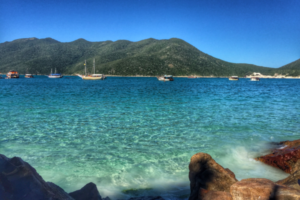
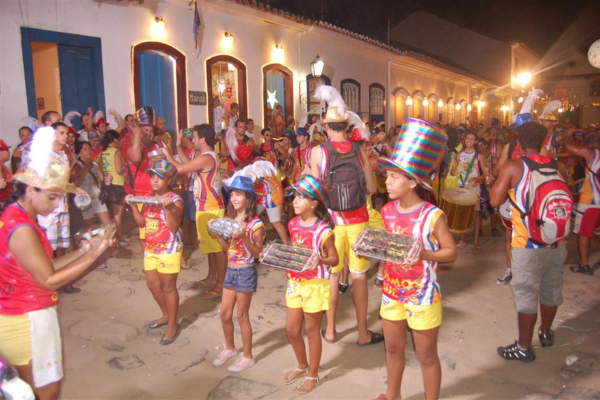
While Brazil’s Carnival is world-famous, the experience varies dramatically depending on where you celebrate. If you’re seeking an authentic Brazilian Carnival that combines colonial charm, beach vibes, and festive energy without the overwhelming crowds of Rio or São Paulo, Paraty offers the perfect alternative. This UNESCO World Heritage colonial town, nestled between mountains and sea in Rio de Janeiro state in Southeast Brazil, transforms into a magical Carnival destination that feels both intimate and exhilarating.
Paraty’s car-free historic center, with its cobblestone streets and colorful colonial buildings, creates a stunning backdrop for traditional blocos (street parties), while nearby beaches host daytime celebrations and relaxation. The town strikes a rare balance—lively enough to feel the Carnival spirit, yet calm enough to remain enjoyable for those seeking a more relaxed celebration.
This comprehensive guide will help you plan an unforgettable Carnival experience in Paraty, covering everything from the best blocos and where to stay to practical tips for international travelers navigating their first Brazilian Carnival in this charming colonial town.
🧳 Plan your trip to Brazil
🏨 Hotels: Browse the best hotels on Booking.com
🎟️ Tours & activities: Find tours on Civitatis ·
🚗 Car rental: Compare prices on Rentcars
🛡️ Travel insurance: Get a quote here
What is Carnival like in Paraty?
Understanding Paraty’s Carnival character helps set appropriate expectations and determines if it matches your ideal celebration style.
The atmosphere and local vibe
Paraty Carnival embodies a distinctly bohemian, artistic, and laid-back atmosphere that reflects the town’s year-round character.
Key characteristics:
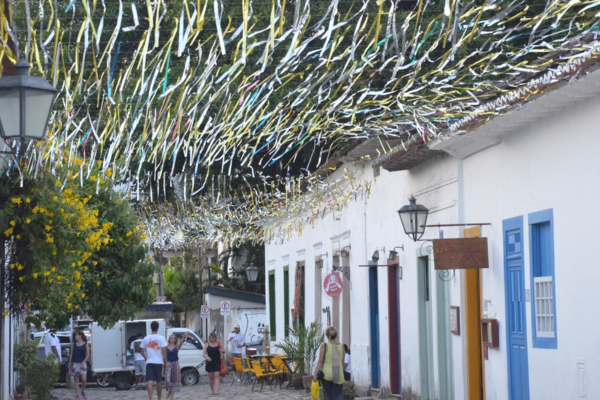
Colonial charm meets festive energy: The perfectly preserved historic center—with no cars, just cobblestone streets and 18th-century architecture—creates an enchanting setting where costumed revelers dance past baroque churches and colorful colonial facades. The juxtaposition of historical setting with contemporary celebration creates unique photo opportunities and memorable experiences.
Intimate scale: With a population of around 40,000 (much smaller than Rio’s 6+ million), Paraty’s Carnival feels more like a community celebration that welcomes visitors rather than a massive tourist event. You’ll see locals mingling with travelers, families dancing alongside young people, and a general atmosphere of inclusivity.
Bohemian and artistic: Paraty attracts artists, writers, and creative spirits year-round, and this influences Carnival’s character. Expect creative costumes, artistic performances, original music alongside traditional samba, and a generally alternative vibe compared to more commercial Carnival celebrations.
Beach-town relaxation: Unlike purely urban Carnivals, Paraty allows you to alternate between street party energy and beach relaxation. Dance at a bloco in the historic center in the morning, then escape to a quiet beach for afternoon recovery—this flexibility makes Paraty particularly appealing for international visitors experiencing their first Brazilian Carnival.
Traditional street blocos vs. beach parties
Paraty’s Carnival balances two distinct celebration styles:
Historic center blocos:
- Traditional street parties with samba bands, marchinhas (traditional Carnival songs), and contemporary Brazilian music
- Parade through cobblestone streets
- Start late morning/early afternoon and continue until early evening
- Family-friendly atmosphere during day, more adult-oriented at night
- Free to join—just show up in costume or festive clothing
Beach parties:
- Daytime celebrations at beaches like Jabaquara and Pontal
- More relaxed, casual vibe
- Mix of music (not just traditional Carnival)
- Swimming between dancing
- Beach bars serving food and drinks
- Often continue into evening with sunset celebrations
Night parties:
- Organized parties at venues, bars, and restaurants
- Mix of live music and DJs
- Entry fees typically required (R$30-100 / $6-20 USD)
- More structured than spontaneous street blocos
- Continue until early morning hours
This variety means you can customize your Carnival experience daily—traditional blocos one day, beach relaxation the next, night party to finish.
How Paraty’s Carnival differs from Rio and São Paulo
Understanding these distinctions helps you choose the right Carnival destination for your preferences.
Rio offers:
- Massive sambadrome parades with professional samba schools
- Hundreds of blocos attracting millions
- World-famous beaches (Copacabana, Ipanema)
- International tourist focus
- Overwhelming energy and crowds
- Higher prices and more planning required
Paraty offers:
- Intimate blocos in colonial setting
- Manageable crowds
- Authentic local atmosphere
- Beach escapes minutes away
- More affordable and accessible
- Easier for first-time Carnival visitors
Choose Rio for: Epic spectacle, sambadrome experience, maximum energy, “bucket list” Carnival
Choose Paraty for: Manageable scale, colonial charm, beach relaxation, authentic local experience
vs. São Paulo Carnival:
São Paulo has sambadrome parades and massive blocos in an urban setting. Paraty offers colonial architecture, beach access, and more compact celebration area. São Paulo is more cosmopolitan and urban; Paraty more historic and beach-oriented.
Paraty’s unique advantages:
- UNESCO World Heritage colonial setting
- Beach and mountain access
- Walkable historic center (car-free)
- Smaller, friendlier scale
- More affordable accommodation and food
- Easier logistics for international visitors
When is Carnival in Paraty 2027?
Official Dates and Holiday Calendar
Carnival 2027 will take place from February 6-10, 2027, following Brazil’s national Carnival calendar.
Official Carnival days:
- Friday, February 5: Carnival Friday (unofficial start, many blocos begin)
- Saturday, February 6: Carnival Saturday (major bloco day)
- Sunday, February 7: Carnival Sunday (peak celebrations)
- Monday, February 8: Carnival Monday (continues strong)
- Tuesday, February 9: Shrove Tuesday/Fat Tuesday (grand finale)
- Wednesday, February 10: Ash Wednesday (official end, some blocos continue)
Brazilian holiday: Carnival Monday and Tuesday are national holidays. Many Brazilians take Friday off as well, creating a long weekend that fills Paraty with domestic tourists.
Best days to enjoy blocos and events
Peak days (Saturday-Tuesday):
- Most blocos operate
- Highest energy and attendance
- Best for experiencing full Carnival atmosphere
- Most crowded (accommodations fully booked)
Friday and wednesday:
- Fewer but still good blocos
- Slightly less crowded
- Good for warming up (Friday) or winding down (Wednesday)
- Some prefer these days for more relaxed experience
Recommendation: Plan to be in Paraty Saturday through Tuesday to experience peak Carnival, with optional Friday arrival or Wednesday departure if you want extended time.
What happens before and after the main days
Pre-Carnival (weeks leading up):
- “Ensaios” (rehearsals) for blocos—essentially practice parties
- Growing festive atmosphere
- Accommodations less expensive
- Good option if you can’t get Carnival dates
Post-Carnival:
- Town returns to normal within days
- Some beach parties continue through weekend
- Opportunity to enjoy Paraty without crowds
- Much easier to book accommodation
Extended Carnival season: Some blocos and parties happen throughout February. Check local event calendars if you’re in Paraty before or after official dates.
Main carnival events and blocos in Paraty
Understanding Paraty’s bloco landscape helps you choose which celebrations to attend.
Historic Center Blocos
The car-free colonial center hosts Paraty’s most traditional and atmospheric blocos.
Popular Historic Center Blocos:
Bloco da Lama (Mud Bloco):
- One of Paraty’s most famous and unique blocos
- Participants cover themselves in medicinal mud from mangroves
- Combines fun, therapy, and spectacle
- Usually happens on Carnival Saturday
- Ends with everyone jumping in the sea to wash off
- Extremely popular—arrive early
Bloco Tá Pirando, Pirado, Pirou:
- Traditional bloco with classic marchinhas
- Family-friendly daytime party
- Parades through main historic streets
- Free participation
Bloco Virgens de Paraty:
- Humorous “virgins” bloco with cross-dressing and comedy
- Adults-only due to suggestive humor
- Very popular and crowded
- Afternoon parade
Bloco das Catraias:
- Women-focused bloco celebrating female empowerment
- Fun, energetic atmosphere
- Growing popularity
Cordão do Boitatá:
- Traditional bloco with folkloric influences
- Family-appropriate
- Beautiful costumes and performances
Family-friendly blocos
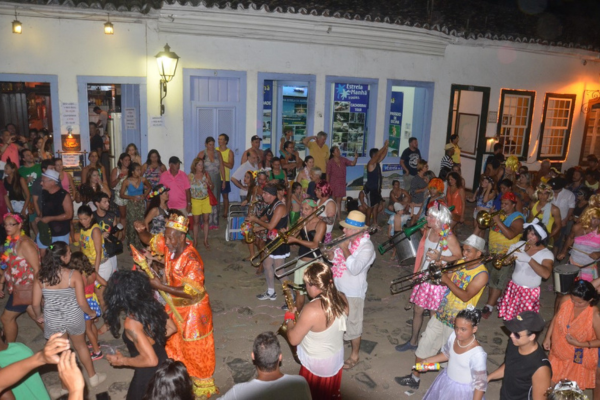
Several blocos specifically cater to families with children:
Bloco dos Palhaços (Clowns Bloco):
- Morning bloco designed for kids
- Clowns, face painting, interactive fun
- Safe, supervised atmosphere
- Usually Sunday morning
Bloquinho das Crianças:
- Dedicated children’s bloco
- Age-appropriate music and activities
- Parents welcome to participate
- Morning timing
Tips for families:
- Stick to morning/early afternoon blocos
- Avoid adult-themed blocos (suggestive names usually indicate adult content)
- Bring sun protection, water, snacks for kids
- Establish meeting points if separated
- Consider staying at accommodation outside historic center for quieter evenings
Adult party blocos
Evening and night blocos cater to adult crowds seeking more intense celebrations:
Late afternoon/evening blocos:
- More alcohol consumption
- Louder music, tighter crowds
- Suggestive costumes and themes
- Higher energy
Adult-oriented blocos (verify current names and dates):
- Tend to have provocative names and themes
- Start late afternoon and continue into evening
- More party atmosphere than family-friendly blocos
- Not appropriate for children
Samba, marchinhas, and live bands
Music styles you’ll hear:
Marchinhas: Traditional Carnival songs from early 20th century—simple, catchy, nostalgic tunes everyone knows
Samba: Classic Brazilian rhythm, various styles from traditional to contemporary
Samba-rock: Fusion genre popular in São Paulo and spreading
Funk carioca: Contemporary Rio funk music (bass-heavy, danceable)
Axé: Bahian Carnival music (energetic, percussive)
Brazilian rock/pop: Contemporary hits adapted for Carnival
Live bands: Many blocos feature live bands rather than recorded music, creating authentic, energetic atmosphere
Night parties and beach events
Beyond street blocos, organized parties happen throughout Carnival:
Beach parties:
- Jabaquara Beach hosts daytime celebrations
- Pontal Beach popular for sunset parties
- Informal gatherings organized by beach bars
- Free or minimal cover charges
Night parties:
- Bars and restaurants in historic center
- Organized parties at venues
- DJ sets and live music
- Entry fees typically R$30-100 ($6-20 USD)
- Check local event calendars and social media for specific parties
Boat parties (occasional):
- Some companies organize boat parties with music and open bar
- Sail around Paraty bay while dancing
- Typically more expensive (R$150-300+ / $30-60+ USD)
- Book in advance as capacity is limited
Where to stay during Carnival in Paraty
Accommodation choice significantly impacts your Carnival experience, particularly regarding noise levels, historic center access, and beach proximity.
Best areas to stay
Historic Center:
Pros:
- Walking distance to all blocos
- Immersed in Carnival atmosphere
- No need for transportation
- Charming colonial accommodations
- Easy restaurant and bar access
Cons:
- Extremely noisy during Carnival (music until early morning)
- Most expensive area
- Very crowded
- Difficult to rest between blocos
- Limited parking if you have car
Best for: Party-focused travelers, those wanting maximum Carnival immersion, visitors without cars
Jabaquara Beach:
Pros:
- Beach access for daytime relaxation
- Quieter than historic center (but still festive)
- Good pousadas and restaurants
- 10-15 minute walk to historic center
- Nice balance of beach and Carnival access
Cons:
- Walk to historic center (manageable but consider after late nights)
- Slightly more expensive than peripheral areas
Best for: Travelers wanting beach and Carnival balance, families, those seeking quieter sleeping environment
Pontal:
Pros:
- Beachfront location
- Quieter neighborhood
- Short drive or ride to historic center
- More local, residential feel
- Good value accommodations
Cons:
- Requires transportation to historic center
- Fewer restaurants nearby
- Less walkable to main action
Best for: Budget-conscious travelers, those with cars, visitors prioritizing beach and quiet
Trindade (nearby beach village, 25 km south):
Pros:
- Beautiful pristine beaches
- Peaceful atmosphere
- Budget accommodation options
- Hippie/bohemian vibe
- Great for pre/post-Carnival relaxation
Cons:
- 30-40 minute drive to Paraty historic center
- Requires car
- Miss spontaneous Carnival moments
- Limited Carnival atmosphere in Trindade itself
Best for: Travelers combining Carnival with beach time, those with cars, budget travelers okay with commuting
Hotels, pousadas, and Airbnb
Pousadas (Brazilian-style inns) and hotels:
- Most common accommodation type
- Range from budget to luxury
- Often charming colonial buildings
- Breakfast usually included
- Personal service
Best options on Booking:
- SDesign Paraty Hotel
- Pousada Aconchego
- Pousada Literária de Paraty
- Pousada Corsario Paraty
- Boutique Hotel Carpe Diem
- Pousada da Marquesa
Price ranges during Carnival:
- Budget pousadas: R$300-600 ($60-120 USD) per night
- Mid-range pousadas: R$600-1,200 ($120-240 USD) per night
- Upscale pousadas: R$1,200-2,500+ ($240-500+ USD) per night
Hotels:
- Less common than pousadas in Paraty
- More standardized service
- Often larger properties
- Similar or slightly higher prices than pousadas
Best options on Booking:
Airbnb/Vacation rentals:
- Houses and apartments available
- Can be cost-effective for groups
- Kitchen facilities for self-catering
- Variable quality and location
Budget vs. luxury accommodations
Budget options (R$300-600 / $60-120 USD per night):
- Simple pousadas outside historic center
- Basic amenities
- Shared facilities sometimes available
- Further from main action (requires walking or transportation)
Mid-range (R$600-1,200 / $120-240 USD per night):
- Comfortable pousadas with good locations
- Private rooms with bathrooms
- Swimming pools common
- Breakfast included
- Good balance of comfort and value
Luxury (R$1,200-2,500+ / $240-500+ USD per night):
- Historic center boutique pousadas
- Beachfront luxury properties
- Spa facilities, gourmet dining
- Exceptional service and amenities
- Pool, gardens, high-end finishes
Booking tips for Carnival season
Critical booking advice:
- Book EARLY: Paraty fills completely for Carnival. Book 3-6 months in advance minimum, 6-12 months for best selection.
- Expect price increases: Carnival rates are 200-400% higher than regular season. This is normal for Brazil’s Carnival period.
- Minimum stays: Most accommodations require 4-5 night minimum during Carnival. Some require full week.
- Cancellation policies: Read carefully. Many Carnival bookings are non-refundable or have strict cancellation deadlines.
- Verify what’s included: Breakfast is usually included, but confirm. Some places include Carnival breakfast (later timing).
- Check noise levels: If you need quiet sleep, avoid historic center or request rooms away from street.
- Parking availability: If driving, confirm parking availability and security.
- Read recent reviews: Pay attention to Carnival-specific reviews regarding noise, location, and value.
How to get to Paraty
Paraty’s location between Rio and São Paulo offers multiple access options.
From Rio de Janeiro
Distance: Approximately 260 km (160 miles) south
Driving time: 4-5 hours via BR-101 coastal highway
Options:
Car rental :Renting a car gives flexibility to explore Paraty and surrounding beaches at your own pace. The coastal drive is scenic and relatively easy.
Organized transfer: Many Paraty accommodations arrange private transfers from Rio. Expect to pay R$600-1,000 ($120-200 USD) for private car service.
Airport transfers from Rio provide comfortable, reliable door-to-door service, eliminating navigation stress and allowing you to relax after your international flight.
Bus: Costa Verde bus company operates several daily departures from Rio’s Novo Rio bus station to Paraty. Journey takes 4-5 hours, costs approximately R$80-120 ($16-24 USD). Comfortable reclining seats, air conditioning, bathroom onboard.
From São Paulo
Distance: Approximately 280 km (175 miles) east
Driving time: 5-6 hours via SP-171/BR-101
Options:
Car rental: Similar to Rio option—flexibility and scenic drive through coastal mountains.
Bus: Reunidas Paulista bus company operates from São Paulo’s Tietê bus station to Paraty. Journey 5-6 hours, similar pricing to Rio buses.
Combined trip: Many travelers visit both Rio and São Paulo, using Paraty as midpoint or side trip.
Bus vs. car rental
Bus advantages:
- No driving stress
- No parking concerns
- Lower cost
- Reliable schedules
- Comfortable for long rides
Bus disadvantages:
- Fixed schedule (less flexibility)
- Harder to visit beaches outside Paraty
- No storage for luggage during day trips
- Depends on public transportation or taxis in Paraty
Car rental advantages:
- Complete flexibility
- Easy beach and waterfall access
- Day trip possibilities
- Luggage storage
- Go at your own pace
Car rental disadvantages:
- Parking challenges in historic center during Carnival
- Higher cost (rental + gas + tolls + parking)
- Navigation in unfamiliar area
- Can’t drink and drive
Recommendation: If staying primarily in Paraty historic center for Carnival, buses work well. If planning beach exploration, day trips, or pre/post-Carnival activities, rental car adds significant value.
Road conditions and travel time
BR-101 highway: Main coastal route connecting Rio-Paraty-São Paulo. Generally good condition, paved, two-lane highway with passing zones.
Considerations:
- Mountainous, winding sections (drive carefully)
- Heavy truck traffic on some sections
- Toll roads (bring cash or credit card)
- Beautiful scenic views (coastal mountains, ocean vistas)
- Gas stations regularly spaced
- Plan for 4-6 hours depending on origin and traffic
Carnival traffic: Expect heavy traffic Thursday-Friday before Carnival and Tuesday-Wednesday after as Brazilians travel. Leave early morning or late evening to avoid worst congestion.
Getting around Paraty during carnival
Walking in the Historic Center
The historic center is car-free (pedestrian only), making walking the primary transportation method.
Walking considerations:
- Cobblestones: Uneven colonial cobblestones require careful footing, especially after dark or when drinking
- Comfortable shoes essential: Forget heels or flimsy sandals—wear supportive walking shoes
- Compact area: You can walk the entire historic center in 15-20 minutes
- Crowded during blocos: Expect tight crowds during major blocos
- Well-lit: Main streets well-lit at night, though some side streets darker
Taxis and ride apps
Availability: Taxis and Uber operate in Paraty, though less ubiquitously than major cities.
Usage:
- Beaches to/from historic center: R$15-30 ($3-6 USD)
- Longer trips (Trindade, etc.): R$50-100+ ($10-20+ USD)
- During Carnival: Surge pricing and longer wait times common
- Pre-arrange return transportation from night events
Tips:
- Have hotel address written in Portuguese for drivers
- Agree on approximate fare before departure (taxis)
- Download 99 app (Brazilian equivalent to Uber) as backup
Boat taxis and tours
Paraty’s bay location creates unique water transportation options:
Boat taxis:
- Connect historic center to some beaches
- Scenic alternative to land transportation
- Small wooden boats (typically 6-12 passengers)
- Prices vary by destination (R$10-30 / $2-6 USD per person)
Schooner tours: While less relevant during Carnival (when focus is on street parties), boat tours to islands and beaches continue operating.
Explore Paraty’s attractions and tours including boat trips, cultural walks, and surrounding area experiences to complement your Carnival visit.
Parking tips
If you have a rental car:
Parking challenges:
- Historic center is pedestrian-only (no car access)
- Parking lots exist at historic center periphery
- During Carnival, lots fill quickly
- Expect to pay R$20-50 ($4-10 USD) per day
Strategies:
- Choose accommodation with parking included
- Park at accommodation and walk to historic center
- Arrive early at public lots
- Never leave valuables visible in car
- Use only official, supervised parking areas
Is Paraty safe during carnival?
Safety is a valid concern for international visitors, especially during large celebrations involving alcohol and crowds.
Safety tips for foreigners
General safety reality: Paraty is safer than Brazil’s large cities, but Carnival presents specific challenges requiring basic precautions.
Essential safety practices:
Minimize valuables:
- Bring only essentials to blocos (phone, small cash, ID)
- Leave passport, extra credit cards, and valuables at hotel safe
- Use small crossbody bag worn in front or hidden money belt
- Don’t bring expensive cameras or jewelry
Phone security:
- Most common theft target
- Use phone lanyard or keep in secure pocket
- Don’t use phone obviously while walking in crowds
- Take photos quickly and put phone away
Stay aware:
- Pickpockets work crowded blocos
- Watch drinks being prepared
- Don’t accept drinks from strangers
- Stay with your group
Alcohol moderation:
- Pace yourself over multi-day celebration
- Alternate alcohol with water
- Know your limits in unfamiliar environment
- Never leave drinks unattended
After-dark caution:
- Stick to well-lit, populated streets
- Use taxis/Uber for late-night transportation rather than walking
- Travel in groups when possible
- Avoid empty streets and beaches at night
Crowded areas and pickpocket awareness
High-risk situations:
- Peak blocos with thousands of people
- Historic center main square during major events
- Dense crowds where movement is restricted
- Late night when alcohol consumption is high
Protection strategies:
- Keep bags in front, hands on zippers
- Front pockets only for valuables
- Be especially vigilant during tight crowd moments
- If you feel someone’s hand, react immediately and loudly
Emergency numbers and local help
Essential contacts:
- Police: 190
- Medical emergency: 192
- Fire department: 193
- Tourist police: Paraty has tourist-focused police station in historic center
Medical facilities:
- Small hospital in Paraty (Hospital Municipal)
- Pharmacies in historic center and town
- For serious emergencies, may require transfer to larger city
Hotel assistance:
- Hotel/pousada staff can help with emergencies
- Most speak limited English but will assist
- Keep hotel contact card in your pocket
Health tips (hydration, sun protection)
Heat and hydration:
- February is summer in Brazil (hot and humid)
- Dehydration is serious concern with alcohol and dancing
- Drink water constantly (buy bottled water from vendors)
- Recognize dehydration symptoms (dizziness, headache, fatigue)
Sun protection:
- Brazilian sun is intense, especially in summer
- Apply SPF 50+ sunscreen regularly
- Wear hat for daytime blocos
- Seek shade periodically
- After-sun care for evenings
Other health tips:
- Bring basic medications (pain relievers, anti-nausea, anti-diarrheal)
- Pack any prescription medications with extra supply
- Motion sickness medication if taking boat trips
- Insect repellent for evening (mosquitoes present)
What to wear to Carnival in paraty
Light clothes and costumes
Costume culture:
- Brazilians embrace costumes but they’re not mandatory
- Range from full elaborate costumes to simple festive clothing
- Creative, humorous, and sometimes provocative costumes common
- Themed blocos may inspire matching outfits
Costume ideas:
- Beach/tropical themes (fitting for Paraty)
- Brazilian cultural references
- Pop culture characters
- Funny/punny concepts
- Group coordinated themes with friends
- Simple: colorful clothing + accessories (flower crowns, face paint, etc.)
Where to buy:
- Bring costume from home if elaborate
- Paraty shops sell simple costume pieces, accessories
- São Paulo or Rio have better costume shopping if passing through
Comfortable shoes
Footwear is critical: You’ll walk and dance for hours on cobblestones.
Best options:
- Supportive sneakers or athletic shoes
- Comfortable walking sandals with straps (Tevas, Chacos, etc.)
- Closed-toe shoes protect feet in crowds
- Bring band-aids for blister prevention
Avoid:
- High heels (impossible on cobblestones)
- Flip-flops (easily lost in crowds, no foot protection)
- New shoes (break in footwear before Carnival)
- Fancy shoes you’d be upset about ruining
Rain considerations
February weather:
- Rainy season in Rio de Janeiro state
- Brief tropical showers common
- Rain doesn’t stop Carnival (Brazilians dance through it)
What to bring:
- Light rain jacket or poncho
- Quick-dry clothing
- Waterproof bag for phone/money
- Accept that you might get wet
- Extra outfit at hotel for changing if soaked
Mindset: Brazilians embrace rain during Carnival—it’s part of the fun. Dancing in warm tropical rain can be exhilarating!
Beachwear vs. bloco outfits
Beach parties (Jabaquara, Pontal):
- Swimsuit + cover-up appropriate
- Beach-casual attire
- Flip-flops acceptable on sand
- Sun protection essential
Historic center blocos:
- Costumes or festive street clothes
- More coverage than beach (but still light and colorful)
- Comfortable walking shoes
- Small bag for essentials
Night parties:
- Casual-festive (no formal wear)
- Many continue in costume from day
- Comfortable dancing attire
- Light layers (indoor venues can be warm and crowded)
Packing strategy: Bring versatile pieces that work for multiple situations. Light, quick-dry fabrics ideal for transitioning between beach, blocos, and night events.
What to eat and drink during Carnival
Local food stalls
During Carnival, food vendors proliferate throughout historic center:
Common street foods:
- Pastéis: Fried pastries filled with cheese, meat, shrimp, heart of palm
- Espetinho: Grilled meat skewers
- Tapioca: Cassava crepe with sweet or savory fillings
- Acarajé: Bahian black-eyed pea fritters
- Churros: Sweet fried dough
- Milho cozido: Boiled corn on the cob
- Fresh fruit: Mango, watermelon, pineapple
Cost: Street food typically R$5-20 ($1-4 USD)
Safety: Stick to busy vendors with high turnover (food is fresh). Avoid vendors with food sitting in sun for hours.
Seafood and Caiçara cuisine
Caiçara culture: Traditional coastal fishing communities’ culture influences Paraty’s food.
Must-try dishes:
- Fresh fish: Grilled, fried, or in stews
- Moqueca: Seafood stew with coconut milk, tomatoes, peppers
- Camarão (shrimp): Various preparations
- Azul marinho: Local fish prepared traditionally
- Banana da terra: Fried plantain side dish
- Farofa: Toasted cassava flour mixture
Best restaurants in Paraty
Restaurant tips:
- Many restaurants remain open during Carnival
- Make reservations for dinner (restaurants fill quickly)
- Expect slightly higher prices during Carnival
- Service may be slower due to demand
Popular options:
- Restaurants around historic center main square
- Beachfront restaurants at Jabaquara
- Pousada restaurants (often excellent and open to non-guests)
Budget: R$50-150 ($10-30 USD) per person for full meal
Drinks: caipirinhas and local beers
Caipirinhas: Brazil’s national cocktail (cachaça, lime, sugar, ice) is Carnival staple.
Variations:
- Classic lime
- Fruit versions (passion fruit, strawberry, kiwi, etc.)
- Cachaça quality varies (smoother = more expensive)
Join a cachaça tour to learn about Brazil’s national spirit, visit traditional distilleries, and taste premium cachaças—perfect pre or post-Carnival activity.
Beer:
- Ice-cold beer is Carnival essential
- Popular brands: Skol, Brahma, Antarctica, Itaipava
- Craft beers available at some bars
Coconut water: Fresh coconuts sold by vendors—perfect hydration and hangover cure.
Costs:
- Street vendor caipirinha: R$10-20 ($2-4 USD)
- Restaurant caipirinha: R$20-40 ($4-8 USD)
- Beer: R$5-15 ($1-3 USD)
Things to do in Paraty besides carnival
While Carnival is the focus, Paraty offers incredible experiences worth enjoying before or after the main festivities.
Paraty is a destination unto itself, deserving several days beyond Carnival.
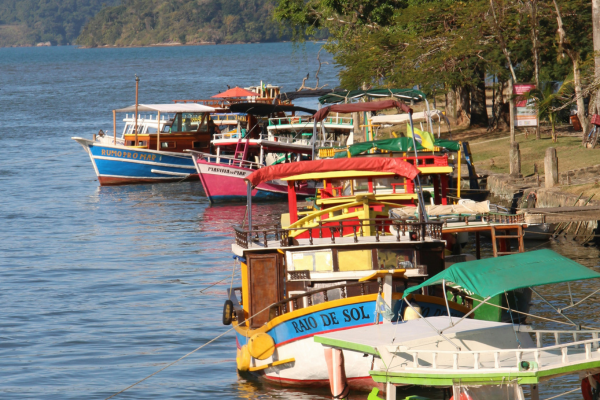
Boat tours and islands
Schooner tours: Traditional wooden boats visit multiple islands and beaches, typically including swimming stops, lunch, and sometimes snorkeling.
Popular stops:
- Lagoa Azul (Blue Lagoon)
- Ilha Comprida
- Praia Vermelha
- Various swimming spots
Cost: R$80-150 ($16-30 USD) including lunch
Waterfalls and hiking
Nearby waterfalls:
- Cachoeira do Tobogã: Natural waterslide
- Poço do Tarzan: Swimming hole with rope swing
- Cachoeira da Pedra Branca: Beautiful forest waterfall
Hiking: Trails through Atlantic rainforest, old gold trail routes, mountain viewpoints.
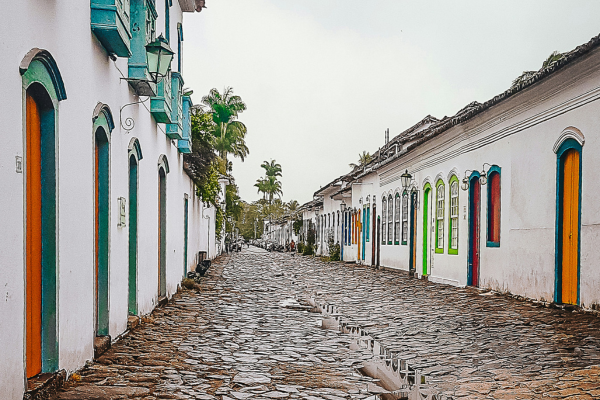
Historic Center walking tour
A walking tour of colonial Paraty with knowledgeable guides brings the town’s fascinating history to life—pirates, gold smuggling, colonial architecture, and cultural heritage.
Self-guided highlights:
- Igreja Santa Rita (17th century church, Paraty’s oldest)
- Igreja Nossa Senhora dos Remédios (main church)
- Casa da Cultura (cultural center, free)
- Waterfront promenade
- Art galleries and craft shops
Trindade beaches
Trindade village (25 km south) offers pristine beaches:
- Praia do Meio: Main village beach
- Praia do Cachadaço: Accessed by trail, stunning natural beauty
- Piscina Natural: Natural pool formed by rocks, crystal-clear water
- Perfect day trip or quieter base for Carnival
Day trips from Paraty
Trindade
Beyond beaches mentioned above, Trindade offers:
- Hippie/bohemian atmosphere
- Budget pousadas and camping
- Seafood restaurants
- Hiking trails
- 30-40 minute drive from Paraty
Cunha
Mountain town (45 km inland) known for:
- Artisan ceramics and pottery
- Lavender farms
- Cachaça distilleries
- Cooler mountain climate
- Scenic mountain drive
- 1.5 hour drive from Paraty
Paraty Mirim
Small beach community (20 km north):
- Traditional fishing village
- Calm beach
- Few tourists
- Simple beach restaurants
- Indigenous community nearby
- 30 minute drive
Comparing Paraty Carnival with other destinations
Rio Carnival
Rio de Janeiro Carnival is the world’s most famous celebration:
Rio advantages:
- Sambadrome spectacle (professional parades)
- Hundreds of blocos (endless options)
- Famous beaches (Copacabana, Ipanema)
- International atmosphere
- Once-in-a-lifetime experience
Paraty advantages:
- Colonial charm (UNESCO Heritage setting)
- Manageable crowds
- More intimate, authentic feel
- Beach + history combination
- Better value
- Easier logistics for first-timers
São Paulo Carnival
São Paulo features sambadrome competitions and massive urban blocos:
São Paulo characteristics:
- Cosmopolitan, urban setting
- World-class samba schools
- Extensive bloco options
- No beach access
- Modern city infrastructure
Paraty advantages:
- Historic colonial atmosphere
- Beach proximity
- Smaller, walkable scale
- More relaxed pace
- Natural beauty surroundings
Why Paraty Is a calmer alternative
Ideal for travelers seeking:
- Authentic Brazilian Carnival without overwhelming crowds
- Colonial architecture backdrop
- Beach relaxation between festivities
- Manageable logistics (walkable, smaller scale)
- Balance of energy and tranquility
- Easier first Brazilian Carnival experience
- Photo opportunities (stunning setting)
- Cultural depth beyond just partying
Not ideal for:
- Those wanting maximum spectacle (sambadrome)
- Party animals seeking 24/7 intense energy
- Travelers prioritizing nightlife over culture
- Those wanting dozens of bloco choices daily
Practical tips for Foreigners
Currency and Payments
Currency: Brazilian Real (R$)
Payment landscape:
- Credit cards accepted at most restaurants and hotels
- Many street vendors and small establishments cash-only
- ATMs limited in historic center (withdraw before arriving or in town center)
- Notify your bank of Brazil travel to avoid card blocks
Cash needs:
- Street food and drinks
- Small shops
- Tips for musicians and services
- Beach vendors
- Bloco beer vendors
Bring: More cash than you think you’ll need. Small bills (R$10, R$20, R$50) most useful.
Language tips
Portuguese reality:
- Portuguese is the primary language
- Limited English outside tourist hotels
- Learning basic phrases helps tremendously
- Brazilians appreciate language attempts
Essential phrases:
- “Olá” (oh-LAH) = Hello
- “Obrigado/Obrigada” (oh-bree-GAH-doo/dah) = Thank you (male/female)
- “Por favor” (pohr fah-VOHR) = Please
- “Quanto custa?” (KWAN-too KOOS-tah) = How much?
- “Onde fica…?” (OHN-jee FEE-kah) = Where is…?
- “Cerveja” (ser-VAY-zhah) = Beer
- “Água” (AH-gwah) = Water
- “Banheiro” (bahn-YAY-roh) = Bathroom
Tools:
- Download Google Translate with offline Portuguese
- Translation apps with camera function (translate signs/menus)
- Phrase book or language app
Internet and SIM Cards
Connectivity options:
Hotel WiFi: Most accommodations offer WiFi (quality varies)
Mobile coverage: Brazilian carriers have good coverage in Paraty
Tourist SIM cards: Available at airports and phone stores
- Requires unlocked phone and passport
- Pre-paid data packages available
- Cost: R$50-100 ($10-20 USD) for 2-4 weeks
eSIM option :Get an eSIM card for Brazil for convenient digital activation without needing to find physical SIM card shops. Activate before arrival and have data immediately upon landing.
Data usage:
- Translation apps
- Maps and navigation
- Uber/99 ride apps
- WhatsApp (primary Brazilian messaging)
- Social media sharing
Travel insurance importance
Comprehensive travel insurance is essential for any international trip, especially during festivals involving alcohol, crowds, and unfamiliar environments.
SafetyWing offers excellent coverage for travelers to Brazil:
Coverage includes:
- Medical emergencies and hospital care
- Trip cancellations or interruptions
- Lost, stolen, or damaged belongings (important during Carnival)
- Emergency medical evacuation
- 24/7 multilingual support
Why insurance matters for Carnival:
- Alcohol-related accidents more common
- Theft risk in crowded celebrations
- Medical care can be expensive without insurance
- Trip disruptions (flight issues, etc.) can derail plans
- Peace of mind allows full enjoyment of experience
Plans start at $45.08/month and you can even purchase after leaving home.
Full transparency: This is an affiliate link, meaning if you purchase insurance through my link, I earn a small commission at absolutely no extra cost to you. You pay the exact same price—there’s zero markup. This commission helps support the time I invest in creating comprehensive, free Brazil travel guides like this one. If you find this guide helpful and were planning to get insurance anyway (which you absolutely should!), using this link is a simple way to support Do in Brazil. Thank you! 💚
Is Paraty worth visiting during Carnival?
Who should choose Paraty Carnival
Perfect for:
- First-time Carnival visitors wanting manageable experience
- Travelers seeking colonial charm + beach beauty
- Couples on romantic getaways
- Families (especially with older children/teens)
- Culture enthusiasts who appreciate UNESCO heritage
- Photographers seeking stunning backdrops
- Those wanting authentic Brazilian experience
- Travelers uncomfortable with massive crowds
- Beach lovers who also want festive atmosphere
- Anyone seeking balance between party and relaxation
Pros and cons
Pros:
✅ Beautiful colonial setting (UNESCO World Heritage)
✅ Manageable crowds compared to major cities
✅ Beach access for daytime relaxation
✅ Authentic local atmosphere
✅ Walkable historic center (car-free)
✅ Good value compared to Rio/São Paulo
✅ Easy logistics for international visitors
✅ Multiple blocos catering to different tastes
✅ Safe environment (by Brazilian standards)
✅ Natural beauty (mountains, sea, islands)
✅ Rich cultural and historical context
✅ Excellent food scene
Cons:
❌ No sambadrome spectacle (if that’s your priority)
❌ Fewer bloco options than major cities
❌ Limited nightlife outside Carnival
❌ Accommodations book far in advance
❌ Prices increase significantly during Carnival
❌ Language barriers (limited English)
❌ Can feel small if you want non-stop party
❌ Rainy season (though rain usually brief)
❌ Less international tourist presence
❌ Transportation required to reach from airports
Best traveler profiles
Ideal traveler:
- Values quality over quantity (fewer but better blocos)
- Appreciates historical and cultural context
- Enjoys beautiful settings and photo opportunities
- Wants beach access between festivities
- Prefers intimate scale to massive crowds
- Seeking authentic local experience
- Comfortable with some Portuguese language challenges
- Plans ahead (books early)
Less ideal traveler:
- Wants maximum party intensity 24/7
- Prioritizes sambadrome parades
- Needs extensive nightlife options
- Uncomfortable in smaller towns
- Last-minute planner (everything books up)
- Budget backpacker (limited cheap options during Carnival)
- Requires extensive English language support
Why Paraty offers a unique carnival experience
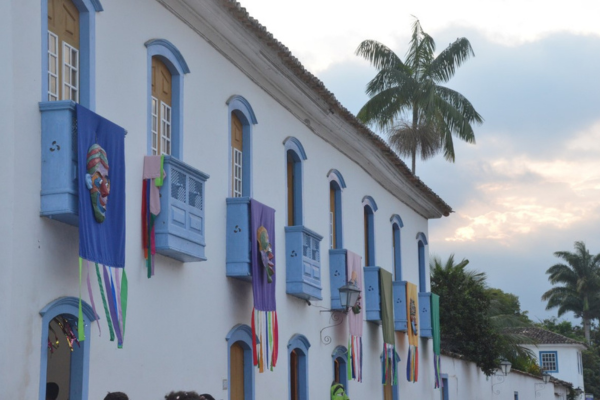
Paraty’s Carnival represents something increasingly rare: an authentic Brazilian festival celebration that maintains local character while welcoming international visitors. The UNESCO World Heritage colonial setting creates a stunning backdrop that elevates street parties from simple celebrations to magical experiences where past and present, tradition and spontaneity, culture and festivity blend seamlessly.
Walking cobblestone streets past 300-year-old buildings while dancing to contemporary Brazilian music, swimming in pristine Atlantic waters between blocos, watching sunset from 18th-century church steps as street parties begin—these moments define Paraty’s unique Carnival charm.
Mix of culture, beach, and music
Few destinations offer Paraty’s particular combination: serious cultural and historical significance (UNESCO recognition isn’t given lightly), spectacular natural beauty (mountains meeting sea, pristine beaches, islands), and authentic festive atmosphere (local blocos with genuine community participation).
This trinity—culture, nature, celebration—creates experiences that satisfy different travel motivations simultaneously. History buffs, beach lovers, and party enthusiasts can all find what they’re seeking in Paraty’s Carnival.
Travel planning tips
Start planning early:
- Book accommodation 6+ months in advance
- Research blocos and create tentative schedule
- Arrange transportation (flights, car rental, or bus tickets)
- Purchase travel insurance
- Learn basic Portuguese phrases
Set realistic expectations:
- Paraty is smaller scale than Rio (this is good!)
- Rain is possible (embrace it)
- Language barriers exist (but manageable)
- Prices are higher during Carnival (but still good value)
Embrace flexibility:
- Best Carnival moments are often spontaneous
- Don’t over-schedule
- Allow time for rest and recovery
- Be open to unexpected experiences and conversations
Respect local culture:
- Brazilians are welcoming but appreciate respect
- Don’t litter (use trash bins)
- Ask permission before photographing people
- Tip musicians and service workers
- Learn about local customs and history
Prioritize safety and health:
- Stay hydrated constantly
- Apply sunscreen repeatedly
- Keep valuables minimal and secured
- Stay aware in crowds
- Moderate alcohol consumption over multi-day celebration
Paraty’s Carnival awaits—a perfect blend of colonial charm, tropical beauty, and authentic Brazilian celebration. Whether you’re experiencing your first Brazilian Carnival or seeking a more intimate alternative to mega-city celebrations, Paraty delivers unforgettable experiences that will leave you already planning your return.Bom Carnaval e bem-vindo a Paraty! (Happy Carnival and welcome to Paraty!) 🎭🇧🇷🏖️