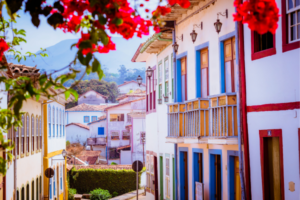

Brazil welcomes travelers of all ages with open arms, and senior travel to Brazil has become increasingly popular as older adventurers discover this fascinating country offers the perfect combination of natural beauty, rich culture, excellent infrastructure in key destinations, and the warm hospitality Brazilians are famous for worldwide. Whether you’re seeking relaxing beach retreats, cultural experiences in colonial towns, or comfortable nature adventures, Brazil provides countless options tailored to the needs and preferences of mature travelers.
This comprehensive guide addresses every aspect of planning a senior trip to Brazil, from health and safety considerations to the best destinations, transportation options, accommodation recommendations, and practical tips that ensure a comfortable, enriching, and memorable journey. We understand that seniors traveling to Brazil may have specific concerns about accessibility, healthcare, safety, and comfort, and this guide provides honest, detailed information to help you plan with confidence.
Is Brazil a good destination for senior travelers?
The short answer is: absolutely yes. Brazil offers exceptional experiences for older travelers, and here’s why this diverse country should be on your travel radar.
Why Brazil appeals to seniors
Brazil presents unique advantages that make it particularly attractive for senior travel:
Diverse experiences in one country: Unlike destinations requiring multiple countries to experience variety, Brazil offers beaches, rainforests, mountains, colonial cities, modern metropolises, and unique ecosystems all within one nation. This diversity means you can create an itinerary matching your interests without the complexity of multiple border crossings or drastically different travel logistics.
Excellent tourism infrastructure: Popular Brazilian destinations have developed robust tourism infrastructure over decades. You’ll find international-standard hotels, reliable healthcare facilities, organized tours with English-speaking guides, and services specifically designed for international visitors. Major cities and tourist destinations have accessibility features, though Brazil still has room for improvement compared to North America or Europe.
Year-round pleasant weather: Brazil’s tropical and subtropical climates mean you can find comfortable weather conditions throughout the year by choosing the right region and season. Unlike destinations with harsh winters or extreme temperature fluctuations, Brazil offers consistent warmth that’s particularly appealing for travelers seeking to escape cold climates.
Cultural richness without overwhelming intensity: Brazilian culture is vibrant and welcoming without being aggressive or overwhelming. Brazilians are genuinely friendly and helpful toward visitors, especially seniors, who are treated with particular respect in Brazilian society.
Excellent value for money: Compared to European destinations or North America, Brazil offers exceptional value. Your retirement budget stretches further, allowing for comfortable accommodations, quality dining, organized tours, and memorable experiences without breaking the bank.
Brazilian hospitality and flexible travel pace
One of Brazil’s greatest assets for senior travelers is the cultural respect for older people and the flexibility to travel at your own pace.
Respect for elders: Brazilian culture deeply respects seniors (“idosos” in Portuguese). You’ll notice this in priority lines at airports, banks, and attractions, reserved seating on public transportation, and the general courtesy extended to older visitors. This cultural value makes senior travel to Brazil particularly pleasant.
No rush culture: Unlike some destinations where everything feels hurried, Brazil operates at a more relaxed pace. This “Brazilian time” can actually benefit senior travelers who prefer not to rush from sight to sight. You can enjoy leisurely meals, take time to appreciate experiences, and travel without feeling pressured to maximize every minute.
Adaptable itineraries: Brazil’s tourism industry understands that travelers have different needs and paces. You can easily find tours and experiences that accommodate varying mobility levels, energy levels, and interests. Many tour operators offer private or small-group options that allow you to set your own pace.
Climate, cultural diversity, and options for different profiles
Brazil’s vast size and diversity mean virtually any senior traveler can find their ideal Brazilian experience:
Beach lovers: Thousands of kilometers of coastline offer everything from calm, warm waters perfect for swimming to sophisticated beach resorts with all amenities.
Culture enthusiasts: Colonial cities preserve centuries of history with baroque architecture, museums, and traditional festivals.
Nature appreciators: Experience the Amazon, Pantanal wetlands, Iguazu Falls, and Atlantic rainforest with varying levels of adventure and comfort.
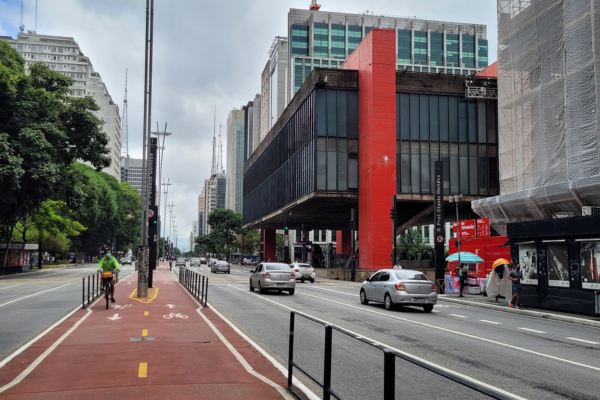
City explorers: Modern cities like São Paulo and Rio offer world-class dining, arts, shopping, and urban culture.
Relaxation seekers: Tranquil mountain towns, peaceful beach villages, and wellness-focused destinations provide perfect environments for rest and rejuvenation.
The key is matching your interests, mobility level, and comfort preferences with appropriate destinations, and this guide will help you do exactly that.
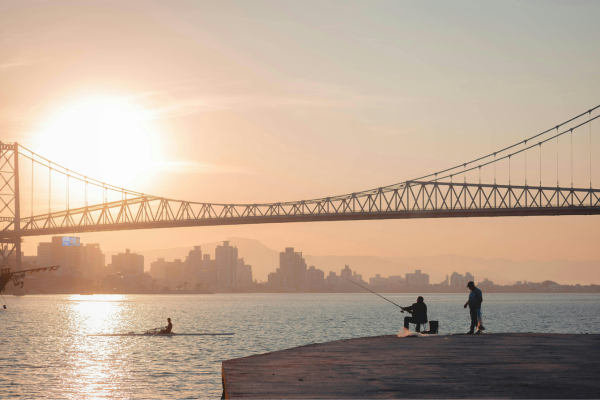
Planning your senior trip to Brazil
Proper planning transforms a good trip into an exceptional one, especially for senior travelers who benefit from thoughtful preparation.
Best time to travel
Brazil’s size means it doesn’t have a single “best” season, the ideal time depends on your chosen destinations:
General recommendations for seniors:
- April-May and August-September: These shoulder seasons offer pleasant weather across most of Brazil with fewer crowds and better prices. Particularly good for seniors who prefer avoiding peak tourist periods.
- Avoid December-February: Brazilian summer brings intense heat and humidity to most regions, plus crowds during school holidays and carnival. While beach destinations are lovely, the heat can be challenging for some seniors.
- Winter (June-August): Perfect for visiting tropical regions like the Northeast beaches, Amazon, and Pantanal. Southern Brazil can be quite cool, which is pleasant if you enjoy mild temperatures but not ideal if you’re escaping winter weather.
Destination-specific timing:
- Northeast beaches (Natal, Maceió, etc.): Excellent year-round, best from September-March
- Amazon: June-November for lower water levels and easier wildlife viewing
- Pantanal: April-September for wildlife (especially July-September)
- South (Gramado, Florianópolis): Summer (December-March) for warmth, though spring and autumn are lovely
- Iguazu Falls: March-May and September-November for moderate weather and good water flow
Ideal trip duration
For senior travelers, we recommend:
2 weeks minimum: This allows you to visit 2-3 destinations without rushing. For example: Rio de Janeiro (4-5 days) + a beach destination like Florianópolis (4-5 days) + a cultural destination like Paraty (3-4 days), with travel days in between.
3 weeks to one month: Ideal duration for experiencing Brazil’s diversity comfortably. You can explore multiple regions, include rest days between active sightseeing, and truly immerse yourself in Brazilian culture without exhausting yourself.
Important consideration: Long international flights require recovery time. Plan at least 1-2 lighter days after arrival to adjust to jet lag and the time difference before beginning intensive sightseeing.
Health and safety for seniors traveling to Brazil
Health and safety considerations are naturally important for senior travelers. Here’s what you need to know to travel confidently.
Travel insurance for seniors
Comprehensive travel insurance is absolutely essential for any senior trip to Brazil, this is non-negotiable.
Why insurance is critical for seniors traveling to Brazil:
International healthcare, while often good quality in Brazil, can be extremely expensive without insurance. Even minor medical issues, from dehydration requiring IV fluids to slip-and-fall injuries, can result in bills of thousands of dollars. Additionally, trip cancellations, flight changes, and lost belongings become more financially significant for retirees on fixed incomes.
SafetyWing offers excellent travel insurance specifically suitable for senior travelers to Brazil. Their coverage includes medical emergencies, hospital stays, emergency medical evacuation, trip interruptions, lost belongings, and 24/7 multilingual support, all critical for mature travelers.
What makes SafetyWing particularly valuable:
- Coverage for travelers up to age 69 (some policies have age restrictions)
- Medical coverage up to $250,000
- Emergency medical evacuation coverage
- Coverage continues even if you extend your trip
- You can purchase it even after leaving home
- 24/7 support in multiple languages
- Covers adventure activities at moderate levels
- Simple online claims process
Full transparency: This is an affiliate link, meaning if you purchase insurance through my link, I earn a small commission at absolutely no extra cost to you. You pay the exact same price, there’s zero markup. This commission helps support the time I invest in creating comprehensive, free Brazil travel guides like this one. If you find this guide helpful and were planning to get insurance anyway (which you absolutely should!), using this link is a simple way to support quality travel content for seniors. Thank you! 💚
Get Travel Insurance for Your Brazil Trip →
Additional insurance considerations:
- Verify coverage limits are adequate for international medical care
- Confirm pre-existing condition coverage (many policies exclude these)
- Understand emergency evacuation provisions
- Keep insurance documents and emergency numbers easily accessible
- Inform family members of your insurance details and policy numbers
Vaccines and healthcare
Required vaccines: Brazil currently requires no mandatory vaccinations for most international visitors. However, if you’re visiting from a yellow fever-affected country, you may need proof of yellow fever vaccination.
Recommended vaccines: Consult your doctor 4-6 weeks before travel about these vaccines:
- Hepatitis A and B
- Typhoid (if visiting rural areas)
- Yellow fever (recommended if visiting Amazon, Pantanal, or Iguazu Falls regions)
- Routine vaccines (ensure tetanus, diphtheria, measles, etc. are current)
Important note for seniors: Yellow fever vaccine has age considerations. The CDC advises that travelers 60 and older should consult physicians about yellow fever vaccination risks versus benefits, as vaccine-associated adverse events increase with age. Many seniors visit Amazon and Iguazu Falls without yellow fever vaccine without issues, but this is a personal medical decision requiring professional consultation.
Healthcare in Brazil:
Brazil has a two-tier healthcare system: public (SUS) and private. For tourists, private healthcare is recommended and ranges from good to excellent in major cities and tourist destinations.
Finding medical care:
- Major cities have private hospitals with international standards
- Tourist destinations typically have clinics familiar with treating foreigners
- Many doctors in tourist areas speak English
- Pharmacies (“farmácias”) are abundant and well-stocked
- Hotel concierges can help locate appropriate medical services
Medications:
- Bring adequate supply of prescription medications in original containers
- Carry a letter from your doctor explaining medications (helpful for customs)
- Many common medications are available in Brazilian pharmacies
- Keep medications in carry-on luggage, never checked bags
Common health issues for seniors in Brazil:
- Dehydration: Brazil’s heat requires constant hydration, drink more water than you think necessary
- Digestive issues: New foods and water can cause temporary stomach upset
- Sun exposure: Brazilian sun is intense, use high SPF sunscreen and protective clothing
- Fatigue: Jet lag and heat can cause unexpected tiredness, pace yourself
Personal safety
Brazil has varying safety conditions depending on location, but with reasonable precautions, senior travel to Brazil is quite safe.
General safety reality: Brazil has areas with high crime rates, particularly in favelas (informal settlements) in large cities. However, tourist areas, upscale neighborhoods, and the destinations recommended in this guide maintain good security. Millions of international tourists visit Brazil annually without incident.
Safety tips specific to senior travelers:
Choose destinations wisely: The destinations recommended later in this guide (Gramado, Florianópolis, Paraty, etc.) are specifically selected for their excellent safety profiles and senior-friendly environments.
Stay in good neighborhoods: Invest in accommodations in safe, well-located neighborhoods. The money saved staying in unsafe areas isn’t worth the stress or risk.
Use reliable transportation: Stick to official taxis, hotel-arranged transfers, or reputable ride-sharing apps. Reliable airport transfers eliminate arrival stress and ensure safe transportation from the start of your trip.
Minimize valuables: Don’t wear expensive jewelry or carry unnecessary valuables. Use hotel safes for passports, extra cash, and electronics you’re not using.
Stay aware: Maintain awareness of surroundings without being paranoid. Trust your instincts, if something feels wrong, remove yourself from the situation.
Travel during daylight: Plan activities during daylight hours when possible. While many areas are safe at night, daylight offers additional security and comfort.
Join organized tours: Group tours provide safety in numbers plus local guides who know safe routes and practices.
Evening activities: For dinner or evening activities, use transportation directly to/from your destination rather than walking through unfamiliar areas at night.
The reality is that with common-sense precautions, seniors traveling to Brazil experience the same safety level as other popular international destinations.
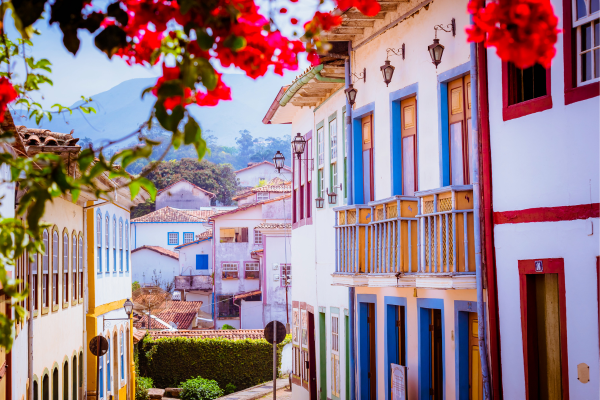
Documents, visas, and entry to Brazil
Understanding entry requirements prevents complications and ensures smooth arrival.
Passport and validity
Passport requirements:
- Must be valid for at least 6 months beyond your planned departure from Brazil
- Must have at least 2 blank pages for stamps
- Damaged passports may be rejected, ensure yours is in good condition
Visa requirements:
Many nationalities can enter Brazil visa-free for tourism stays up to 90 days, including:
- United States
- Canada
- Australia
- United Kingdom
- European Union countries
- Many others
Check your specific country’s requirements on the Brazilian embassy or consulate website for your nation. Visa requirements occasionally change.
Entry/exit documentation:
- Complete arrival forms on the plane or at immigration
- Keep the departure portion of forms given at immigration
- Retain boarding passes until you’ve cleared customs
- Register with your embassy if staying extended periods
Extending your stay:
If you’re enjoying Brazil and want to stay longer, you can apply to extend tourist status for an additional 90 days (total maximum 180 days per year) at Polícia Federal offices. This requires:
- Valid passport
- Return ticket
- Proof of sufficient funds
- Payment of extension fee
- Application before your initial 90 days expire
Many seniors enjoying Brazilian weather and culture take advantage of this option to extend winter escapes.
Transportation in Brazil for senior travelers
Navigating Brazil’s transportation options strategically enhances comfort and reduces stress.
International and domestic flights
International arrival: Most international visitors arrive at São Paulo (GRU airport) or Rio de Janeiro (GIG airport). Both are modern, international-standard airports with good facilities, though they can be crowded and confusing.
Tips for senior travelers on arrival:
- Request wheelchair assistance if helpful (arrange when booking flights)
- Allow extra time for immigration and customs, queues can be long
- Pre-arrange airport transfers to hotels rather than navigating taxis independently
- Consider overnight flights arriving morning to maximize first day and align with local time
Domestic flights:
Brazil’s vast size makes domestic flights essential for multi-destination trips. Major carriers include LATAM, Gol, and Azul.
Booking domestic flights:
- Book well in advance for better prices and seat selection
- Choose direct flights when possible to minimize travel fatigue
- Select seats near the front for easier boarding/deplaning
- Understand baggage allowances (Brazilian domestic flights often have strict limits)
- Consider paying for priority boarding for easier, less stressful boarding
- Download airline apps for easy check-in and updates
Airport experiences: Brazilian domestic airports vary in quality. Major city airports (São Paulo, Rio, Brasília) are modern and efficient. Smaller destination airports are simpler and easier to navigate.
Transportation between cities
Beyond flights, several options exist for traveling between Brazilian cities:
Organized tours: For multi-destination trips, organized tours handle all transportation logistics. This eliminates stress and ensures reliable, comfortable travel.
Private drivers: For traveling between nearby destinations (e.g., Rio to Paraty, or exploring multiple beach towns), hiring private drivers offers comfort and flexibility. Many tour companies offer this service.
Buses: Brazil has excellent long-distance bus service with comfortable sleeper buses for overnight journeys. However, for seniors, buses are generally less recommended due to:
- Long journey times
- Difficulty sleeping despite comfort
- Less convenient than flights for most routes
- Potential safety concerns at bus stations
Car rentals: RentCars.com offers excellent options if you prefer driving independence. However, consider carefully:
Pros of renting:
- Flexibility to explore at your own pace
- Access to destinations without organized tours
- Comfort of private transportation
- Stop when and where you want
Cons for seniors:
- Brazilian driving can be aggressive and stressful
- Navigation challenges (GPS helps but isn’t perfect)
- Parking difficulties in cities
- Language barriers if you have car trouble
- Different traffic laws and driving customs
If you do rent, consider:
- Automatic transmission (specify when booking)
- GPS navigation included
- Comprehensive insurance
- Renting only for specific legs (coastal drives, exploring regions) rather than entire trip
Urban transportation
Within cities, several options exist:
Taxis and ride-sharing: Uber and local ride-sharing apps (99) work well in major cities and tourist destinations. These offer:
- Door-to-door convenience
- No language barrier (destination set in app)
- Transparent pricing
- Safety of tracked rides
Hotel transportation: Many hotels offer shuttle services to popular attractions or can arrange private drivers. While more expensive than taxis, this offers maximum comfort and security.
Public transportation: Brazilian cities have buses, metros (in largest cities), and BRT systems. While economical, we generally don’t recommend public transportation for senior travelers due to:
- Crowding during peak hours
- Confusion with routes and payment systems
- Theft potential in crowded conditions
- Accessibility challenges (steep bus steps, limited seating)
Walking: Many tourist areas are walkable and pleasant for strolling. However:
- Sidewalks can be uneven, watch your footing
- Heat can be intense, plan walks for morning or late afternoon
- Bring water and take breaks as needed
Organized tours with transportation: The most stress-free option is booking tours that include pickup/dropoff from your hotel. This eliminates all transportation concerns.
Where to stay in Brazil as a senior traveler
Accommodation choices significantly impact your travel experience, especially for seniors prioritizing comfort and convenience.
Hotels vs. pousadas
Brazil offers several accommodation types, each with advantages:
International chain hotels:
- Familiar standards and reliability
- English-speaking staff
- International breakfast options
- Accessible rooms often available
- Business centers and services
- Pool, fitness, and other amenities
- Found in major cities and resort areas
Best for: Seniors who prioritize predictability, familiar amenities, and international standards
Brazilian hotels (local chains and independents):
- Generally good quality in tourist areas
- More affordable than international chains
- Brazilian breakfast (extensive spreads of fruits, breads, cheeses, cakes)
- Varying English proficiency
- Good service and facilities
Best for: Travelers wanting good value while experiencing Brazilian hospitality
Pousadas (guesthouses/inns):
- Smaller, more intimate properties
- Often family-run with personal service
- Charming, character-filled accommodations
- Common in beach towns and colonial cities
- Varying quality and amenities
- May lack elevators or have stairs
- Personal attention and local insights
Best for: Travelers who enjoy intimate settings and don’t require extensive amenities, with good mobility for stairs
Vacation rentals (Airbnb, VRBO):
- Full kitchens for preparing meals
- More space than hotel rooms
- Laundry facilities
- Living like a local
- Variable quality and host responsiveness
- Less service than hotels
Best for: Longer stays, couples or groups wanting space and cooking facilities
Recommendations for senior travelers:
- Prioritize hotels with elevators if mobility is a concern
- Choose properties with good reviews specifically mentioning senior-friendly features
- Verify proximity to restaurants, pharmacies, and services
- Consider all-inclusive resorts for maximum relaxation and convenience
- Read recent reviews carefully regarding cleanliness, maintenance, and service
Ideal location
Location matters more than accommodation type. Prioritize:
Safe neighborhoods: Research and choose accommodations in well-regarded areas
Proximity to attractions: Walking distance to sights, restaurants, and services reduces transportation needs
Good restaurant access: Easy access to dining options for various dietary preferences
Medical facilities nearby: Particularly important for longer stays
Quiet but not isolated: Peaceful enough for good sleep but not so remote you feel unsafe or disconnected
Specific destination recommendations later in this guide include neighborhood suggestions for ideal senior accommodation locations.
Recommended destinations in Brazil for seniors
Brazil’s diversity means careful destination selection ensures experiences matching your interests, mobility level, and comfort preferences.
Tranquil and cultural cities
These destinations offer rich culture, good infrastructure, and relaxed atmospheres perfect for senior travelers.
Paraty
This colonial gem between Rio and São Paulo offers one of Brazil’s most charming senior travel experiences.
Why seniors love Paraty:
- Perfectly preserved 17th-century colonial architecture
- Car-free historic center (cobblestones only)
- Calm, safe atmosphere
- Excellent restaurants and boutique accommodations
- Beautiful bay for boat trips
- Nearby beaches and waterfalls
- Art galleries and cultural events
- Manageable size, easy to explore everything
- Pleasant year-round climate
What to do: Wander cobblestone streets admiring colonial architecture, take calm boat trips to islands and beaches, visit cachaça distilleries, enjoy seafood restaurants, explore art galleries and craft shops.
Paraty offers organized tours and activities perfect for seniors. You can find various Paraty tours and experiences including boat trips, cultural walks, and culinary experiences.
Accessibility note: The historic center’s cobblestone streets, while charming, can be challenging for those with mobility limitations. However, the compact size means short walking distances.

Gramado
This mountain town in southern Brazil feels more like Europe than tropical Brazil, perfect for seniors seeking something different.
Why seniors love Gramado:
- European-influenced architecture and culture
- Excellent restaurants (Brazilian and international)
- Safe, clean, well-organized
- Pleasant cool climate (escape tropical heat)
- Christmas season spectacular (November-January)
- Chocolate factories and wineries
- Beautiful gardens and parks
- Easy walking town center
- Good hotels and infrastructure
What to do: Visit chocolate factories, tour local wineries, enjoy the Christmas light displays (seasonal), stroll through Lago Negro park, ride the cable car for views, visit Mini Mundo miniature park.
Reliable transfers in Gramado ensure comfortable transportation from the airport to your hotel and for day trips to nearby attractions.
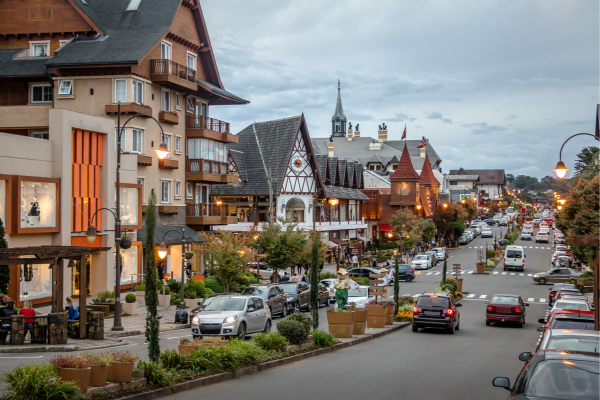
Ouro Preto
This UNESCO World Heritage colonial city showcases Brazil’s baroque architecture and gold rush history.
Why seniors love Ouro Preto:
- Spectacular 18th-century churches with gold leaf interiors
- Living museum of colonial Brazil
- Fascinating history
- Comfortable climate (mountain elevation)
- Excellent museums
- Authentic cultural experience
Considerations: The historic center is built on steep hills with many stairs and inclines. Best for seniors with good mobility who don’t mind hills. Consider staying in the historic center to minimize walking distances.
What to do: Visit baroque churches (Igreja São Francisco de Assis is spectacular), tour museums, ride the scenic train to Mariana, attend classical music concerts, explore craft shops and mineral/gemstone stores.
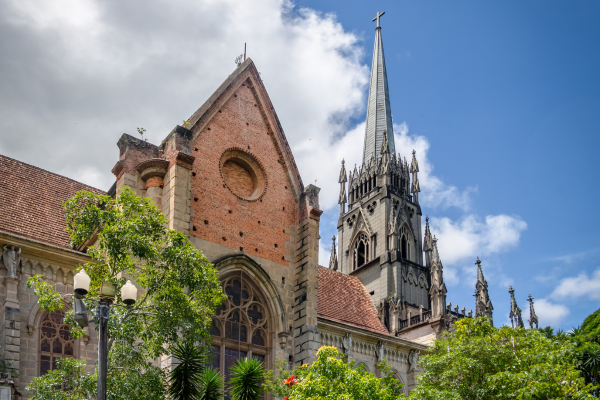
Petrópolis
This mountain city near Rio served as Brazil’s imperial summer capital, perfect for history and culture lovers.
Why seniors love Petrópolis:
- Imperial Palace and museums
- Pleasant cool climate
- Beautiful architecture
- Easy day trip from Rio or worthwhile overnight visit
- Good restaurants
- Relaxed mountain town atmosphere
What to do: Visit the Imperial Museum (Dom Pedro II’s summer palace), tour Crystal Palace, explore Stefan Zweig house-museum, visit Santos Dumont house (aviation pioneer), enjoy German-influenced cuisine.
Accessible beach destinations
These beach destinations offer excellent infrastructure, calm waters, and senior-friendly environments.
Florianópolis
This island city in southern Brazil offers beautiful beaches, good infrastructure, and relaxed atmosphere.
Why seniors love Florianópolis:
- 42 beaches with varying characteristics (calm vs. waves, busy vs. quiet)
- Good hotels and restaurants
- Modern infrastructure
- Safe environment
- Pleasant climate (avoid December-February crowds)
- Easy transportation around the island with rental car
- Cultural attractions beyond beaches
- Excellent seafood
Florianópolis offers something for everyone. You can explore the island’s diverse beaches and cultural sites through organized tours that provide comfort and local insights.
Best beaches for seniors: Jurerê (calm, upscale), Canasvieiras (calm, good infrastructure), Praia do Forte (calm, smaller), Daniela (quiet, calm waters).
Airport transfers in Florianópolis ensure easy arrival to your beach accommodation.
Ubatuba
This beach town on São Paulo’s northern coast offers calmer, more relaxed beach experiences than busier coastal destinations.
Why seniors love Ubatuba:
- Over 90 beaches with many calm, protected options
- Less crowded than many beach destinations
- Beautiful natural setting
- Good seafood restaurants
- Relaxed small-town atmosphere
- Aquarium and cultural attractions
- Easy access from São Paulo
Ubatuba provides tranquil beach experiences perfect for relaxation. You can discover Ubatuba’s hidden beaches and attractions through local tours designed for comfortable exploration.
Best beaches for seniors: Praia do Lázaro (calm, good infrastructure), Praia da Enseada (calm, popular), Praia do Perequê-Açu (calm, services nearby).

Maceió
This northeastern capital offers warm waters, calm beaches, and excellent infrastructure.
Why seniors love Maceió:
- Warm, calm, clear water perfect for swimming
- Natural pools at low tide (Pajuçara Beach)
- Modern city infrastructure
- Good hotels and restaurants
- Pleasant year-round weather
- Less international tourism (more authentic experience)
- Easy jangada (traditional raft) trips to natural pools
Maceió combines urban conveniences with stunning beaches, ideal for seniors wanting comfort and beauty.

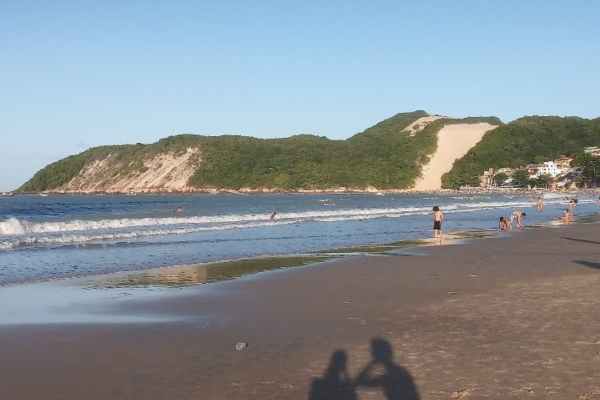
Natal
This northeastern city offers beautiful beaches, good infrastructure, and interesting cultural experiences.
Why seniors love Natal:
- Year-round warm weather and sunshine
- Calm beaches suitable for swimming
- Famous Ponta Negra Beach
- Unique sand dunes (Genipabu)
- Excellent seafood
- Good hotels and infrastructure
- Easy buggy tours of dunes (exciting but gentle)
- Cashew groves and cultural sites
Natal provides excellent tourism infrastructure perfect for senior travelers seeking beach relaxation with interesting excursions.
Reliable airport transfers in Natal ensure smooth arrival and comfortable transportation to your hotel.
Nature with comfort
These destinations offer spectacular natural experiences with comfort and infrastructure suitable for seniors.
Foz do Iguaçu
Home to the spectacular Iguazu Falls, this destination offers one of the world’s natural wonders with excellent accessibility.
Why seniors love Iguazu Falls:
- Spectacular waterfalls accessible via walkways and elevators
- Good hotels and infrastructure
- Easy touring with minimal physical demands
- Both Brazilian and Argentine sides offer different perspectives
- Modern airport with direct flights from major cities
- Year-round destination (though March-June ideal for water volume and weather)
- Safe, organized environment
Accessibility: The Brazilian side has excellent walkways and elevator access. The Argentine side requires more walking but offers spectacular views and closer waterfall access. Wheelchair-accessible paths exist on both sides.
What to do: Visit both sides of the falls, take helicopter tours (spectacular aerial views), visit Parque das Aves (bird park with walkthrough aviaries), explore the Itaipu Dam.
Airport transfers in Foz do Iguaçu provide comfortable transportation between the airport, hotels, and attractions.

Pantanal with Structured Lodges
The Pantanal wetlands offer the world’s best wildlife viewing with comfortable lodge experiences.
Why seniors love Pantanal lodges:
- Incredible wildlife: jaguars, capybaras, caimans, hundreds of bird species
- All-inclusive lodge experiences (meals, guides, activities included)
- Comfortable accommodations in nature
- Expert guides handle all logistics
- Activities adapted to your mobility level
- Minimal physical demands (viewing from vehicles, boats, lodge decks)
- July-September peak wildlife season
What to do: Morning and afternoon wildlife safaris (jeep, horseback, or boat), bird watching from lodge decks, nocturnal wildlife spotting, photography, fishing (optional).
Considerations: Pantanal requires domestic flight to Cuiabá then transfer to lodges (3-4 hours). Choose reputable lodges with good infrastructure and English-speaking guides.
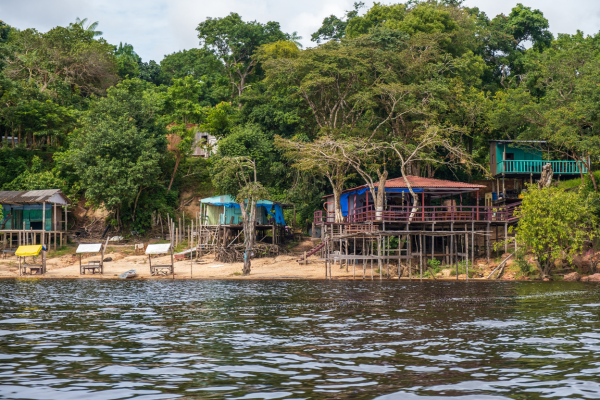
Amazon on River Cruises
Experience the Amazon rainforest on comfortable river cruises offering nature immersion without jungle lodge challenges.
Why seniors love Amazon cruises:
- Comfortable ship accommodations with private bathrooms
- All meals included
- Expert naturalist guides
- Daily excursions adapted to guest abilities
- Air-conditioned comfort between excursions
- Spectacular wildlife and nature
- Fascinating indigenous culture encounters
- No camping or rustic conditions
The Amazon trip is a bucket-list experience made accessible through well-organized cruises. You can also exploreAmazon experiences from Manaus including river tours that showcase the meeting of waters and rainforest wildlife.
Reliable transfers in Manaus ensure smooth connections between airport, hotel, and cruise departure points.
Best time: June-November for lower water levels and concentrated wildlife; December-May for high water and flooded forest exploration.
Food and cuisine for senior travelers in Brazil
Brazilian cuisine offers wonderful variety with options for all dietary preferences and needs.
Variety and dietary adaptation
Brazilian cuisine diversity: Brazil’s regional cuisines offer incredible variety:
- Seafood along the coast
- Grilled meats (churrasco) in the south
- Northeastern specialties with African influences
- International cuisine in major cities
- Fresh tropical fruits year-round
Dietary accommodations: Brazilian restaurants generally accommodate dietary needs:
- Vegetarian options increasingly available (though Brazil is meat-centric)
- Gluten-free awareness growing in tourist areas
- “Sem lactose” (lactose-free) products widely available
- Low-sodium requests understood (“sem sal” or “pouco sal”)
- Diabetic-friendly options can be found
Tips for dietary needs:
- Learn key phrases for your dietary requirements in Portuguese
- Choose restaurants with diverse menus
- “Por kilo” (pay-by-weight) restaurants offer variety where you control portions and selections
- Hotel breakfasts provide extensive options
- Fresh fruits, grilled fish, and vegetables widely available
Food safety
Brazilian food is generally safe in tourist areas with basic precautions:
Safe practices:
- Eat at established restaurants (avoid street vendors if you have sensitive digestion)
- Drink bottled water or filtered water from reputable sources
- Fruits and vegetables are safe when properly washed (hotels and good restaurants do this)
- Cooked food is safer than raw in unfamiliar areas
- Ice in tourist restaurants is generally safe (made from filtered water)
Common foods perfect for seniors:
- Grilled fish with rice and vegetables
- Chicken dishes
- Fresh tropical fruits (papaya, mango, passion fruit)
- Açaí bowls (antioxidant-rich)
- Pão de queijo (cheese bread, delicious and safe)
- Tapioca (gluten-free crepe alternative)
Meal timing: Brazilian meal times differ from North America:
- Breakfast: 7-10 AM (hotel breakfasts often until 10-11 AM)
- Lunch: Noon-3 PM (main meal, often substantial)
- Dinner: 7-10 PM or later
Restaurants close between lunch and dinner (typically 3-6 PM). Plan accordingly or choose hotel dining for off-hour meals.
Language, communication, and local culture
Understanding language realities and cultural norms enhances your experience.
Language barriers
Portuguese reality: Brazil speaks Portuguese (not Spanish!). English proficiency varies:
- Tourist areas: Hotel staff, tour guides, and upscale restaurants often have English speakers
- Major cities: More English speakers in international business districts
- Smaller towns: Limited English, basic Portuguese phrases essential
- Older Brazilians: Less likely to speak English than younger generations
Communication strategies:
- Learn basic Portuguese phrases (see appendix)
- Download Google Translate app with offline Portuguese
- Bring a Portuguese phrase book
- Use hotel concierges as translation intermediaries
- Write down addresses and destinations to show taxi/Uber drivers
- Book tours with English-speaking guides
- Stay at international hotels with multilingual staff
Helpful Portuguese for seniors:
- “Preciso de ajuda” (preh-SEE-zoo jee ah-ZHU-dah) = I need help
- “Onde fica o hospital?” (OHN-jee FEE-kah oo ohs-pee-TAL) = Where is the hospital?
- “Tenho [idade] anos” (TEN-yoh [number] AH-nohs) = I am [age] years old
- “Sou idoso/idosa” (soh ee-DOH-zoo/ee-DOH-zah) = I am a senior (m/f)
- “Mais devagar, por favor” (mice jeh-vah-GAR, pohr fah-VOHR) = Slower, please
- “Não entendo” (now en-TEN-doh) = I don’t understand
Culture and behavior
Brazilian cultural values that benefit senior travelers:
Respect for elders: Brazilian culture honors older people. You’ll experience:
- Priority lines and seating (look for “idoso” or “preferencial” signs)
- Helpful assistance from strangers
- Patient, courteous service
- Respect in social interactions
Warmth and friendliness: Brazilians are genuinely warm and welcoming. Don’t be surprised by:
- Physical affection (cheek kisses in greetings, even with new acquaintances)
- Personal questions about family, age, etc. (not considered rude)
- Invitations to join celebrations or family gatherings
- Helpfulness from strangers
Flexibility and patience: “Brazilian time” means things don’t always run exactly on schedule. This requires patience but also creates a relaxed atmosphere, less stress about being precisely on time.
Cultural tips:
- Brazilians appreciate when foreigners attempt Portuguese, however poorly
- Tipping 10% is standard at restaurants (often included as “servico”)
- Dress tends toward casual but neat (avoid overly casual beach wear in cities)
- Punctuality is less strict than North American/European standards, don’t stress if things start a bit late
Ideal tours and experiences for seniors
Choosing appropriate activities ensures enjoyable, comfortable experiences.
Guided city tours
Professional city tours offer the best way to orient yourself in new destinations while learning history and culture.
Benefits for seniors:
- Expert guides provide context and stories
- Comfortable transportation included
- No navigation stress
- Priority access to attractions sometimes included
- Small groups allow questions and interaction
- Bathrooms breaks scheduled
- Pace designed for sightseeing, not marathon walking
Types of city tours:
- Bus tours (hop-on-hop-off or guided)
- Walking tours (verify distance and pace)
- Private tours (customizable to your interests and pace)
- Food tours (combine culture, history, and cuisine)
Cultural experiences
Brazil offers rich cultural experiences perfect for seniors:
Coffee plantation tours: Learn about Brazilian coffee culture, visit working plantations, taste exceptional coffee.
Cooking classes: Learn to prepare Brazilian dishes, interactive, fun, delicious.
Music and dance: Experience samba, bossa nova, or forró music. Some tours offer gentle dance lessons.
Art museums and galleries: Brazil has world-class museums, particularly in São Paulo and Rio.
Craft workshops: Learn traditional crafts like lace-making, pottery, or painting.
Comfortable nature experiences
Nature experiences with minimal physical demands:
Boat tours: Calm boat trips to islands, along rivers, or for wildlife viewing require minimal physical effort.
Cable cars and gondolas: Experience mountain views without hiking (Rio’s Sugarloaf, etc.).
Gentle trails: Many national parks have boardwalks or paved paths through nature.
Wildlife lodges: View animals from lodge decks, vehicles, or boats.
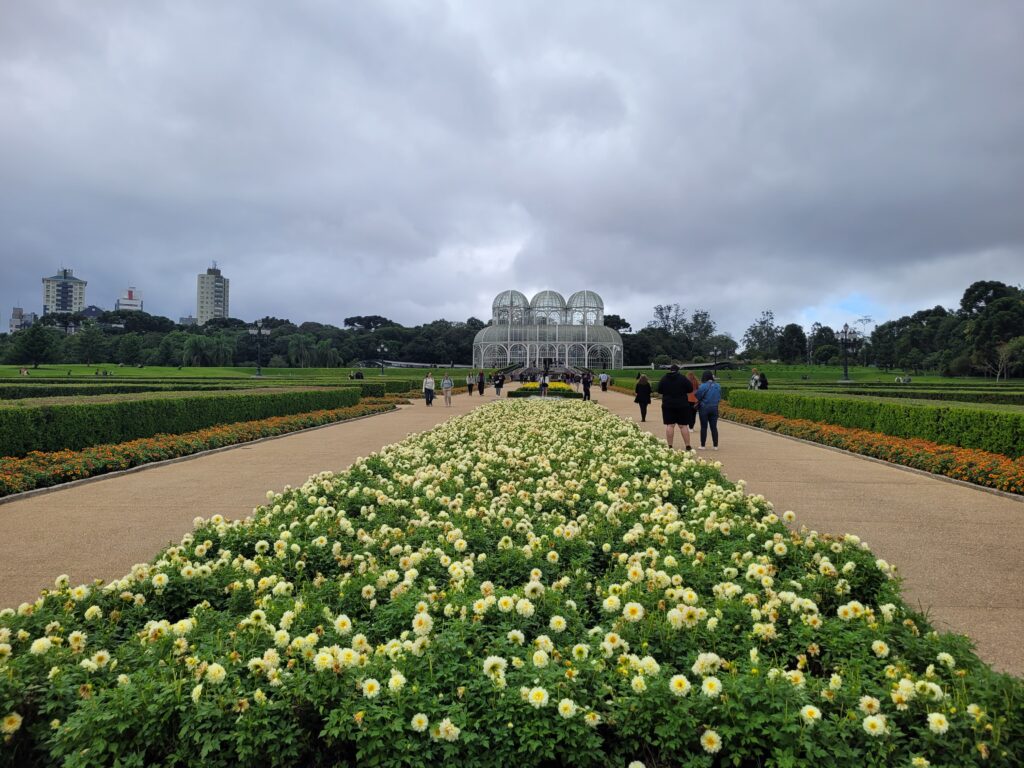
Botanical gardens: Beautiful walks through landscaped gardens with benches for resting.
Practical tips for a smooth Brazil trip
These practical details ensure comfortable, stress-free travel.
Money and payments
Currency: Brazilian Real (R$ or BRL)
Cash vs. cards:
- Credit cards widely accepted in hotels, restaurants, and shops in tourist areas
- Cash needed for small purchases, markets, tips, and small towns
- ATMs widely available (use bank ATMs inside branches for security)
- Notify your bank of travel dates to prevent card blocks
Best approach:
- Bring some USD or EUR to exchange (better rates than home exchange)
- Use ATMs for additional cash as needed
- Keep cards in separate locations (if one is lost/stolen, you have backup)
- Bring some small bills for tips and small purchases
Money safety:
- Use hotel safes for excess cash and backup cards
- Carry only what you need for the day
- Use money belts or hidden pockets in crowded areas
Electrical outlets and electricity
Voltage: Brazil uses 110V or 220V depending on region (sometimes both in same city!)
Plugs: Type N (Brazilian standard, three round pins) or Type C (two round pins)
What you need:
- Universal adapter with both 110V and 220V capability
- Check your device voltage compatibility (most modern phones, tablets, laptops work with both)
- Bring adapter for each device you’ll charge simultaneously
Pro tip: Buy a Brazilian power strip once you arrive, this solves adapter shortages and works everywhere in Brazil.
Connectivity and internet
Mobile coverage: Brazil has good mobile coverage in cities and tourist areas. Rural areas may have limited or no coverage.
Getting connected:
- International roaming (expensive, check your carrier’s rates)
- Buy Brazilian SIM card at airport or phone stores (requires unlocked phone and passport)
- Rely on hotel WiFi (most hotels have good WiFi)
- Download offline maps before trips to areas with poor coverage
Recommended approach for seniors:
- Use hotel WiFi for most needs
- Buy local SIM if you need constant connectivity
- Download Google Maps offline for your destinations
- Have hotel address and phone number written down in case phone dies
Climate and appropriate clothing
Brazil’s tropical and subtropical climates require appropriate clothing choices.
General packing:
- Lightweight, breathable fabrics (cotton, linen, moisture-wicking)
- Sun protection (hats, sunglasses, long-sleeve shirts for sun sensitivity)
- Comfortable walking shoes with good support
- Sandals for beach and casual wear
- Light jacket or sweater (for air conditioning and cooler evenings)
- Swimsuit and beach cover-up
- Rain jacket or compact umbrella
Regional variations:
- Northeast beaches: Very warm year-round, maximum sun protection needed
- South (Gramado, etc.): Cooler, especially June-August, bring layers and warmer clothing
- Amazon/Pantanal: Lightweight long pants and sleeves (insect protection), hat, rain gear
Special considerations for seniors:
- Prioritize comfort over fashion
- Break in walking shoes before the trip
- Bring medications for blisters/foot discomfort
- Pack layers for varying air conditioning temperatures
- Choose easy-care, wrinkle-resistant fabrics
Is Brazil worth visiting in your senior years?
Absolutely yes, for countless reasons.
Brazil offers senior travelers a unique combination of natural beauty, cultural richness, welcoming people, excellent value, and adaptable experiences that few destinations can match. Whether you’re seeking relaxation on pristine beaches, cultural immersion in colonial towns, wildlife adventures in the Amazon or Pantanal, or the vibrant energy of Brazilian cities, this diverse country delivers.
The key to successful senior travel to Brazil is thoughtful planning: choosing appropriate destinations, prioritizing comfort and safety, allowing flexible pacing, investing in good insurance, and maintaining realistic expectations about language barriers and cultural differences.
Millions of senior travelers visit Brazil annually and return home with extraordinary memories, new friendships, and stories of unexpected adventures. The warmth of Brazilian hospitality, combined with spectacular natural wonders and fascinating culture, creates travel experiences that enrich life regardless of age.
Brazil welcomes you with open arms. With the information in this guide, you’re well-equipped to plan a comfortable, safe, memorable senior trip to Brazil. The question isn’t whether you should visit Brazil in your senior years, it’s when you’ll book your flight.
Boa viagem! (Have a great trip!) 🇧🇷