
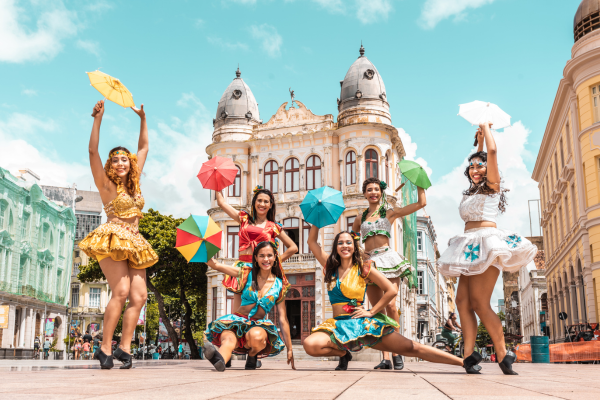
If you’re searching for an authentic Brazilian carnival experience that combines massive street parties with rich cultural traditions, Recife Carnival delivers exactly that. Often overshadowed by Rio’s sambadrome spectacle or São Paulo’s urban festivities, carnaval Recife offers something unique: the world’s largest carnival street party combined with the colonial charm of neighboring Olinda.
Located in Pernambuco, in Brazil’s vibrant Northeast region, Recife transforms into a massive outdoor celebration every February. With its famous Galo da Madrugada parade attracting over 2 million participants, incredible frevo music, diverse blocos (street parties), and the added bonus of exploring historic Olinda just minutes away, carnaval do Recife represents one of Brazil’s most exciting and accessible carnival destinations.
🧳 Plan your trip to Brazil
🏨 Hotels: Browse the best hotels on Booking.com
🎟️ Tours & activities: Find tours on Civitatis ·
🚗 Car rental: Compare prices on Rentcars
🛡️ Travel insurance: Get a quote here
When is Recife Carnival 2027?
Recife Carnival 2027 will take place from February 6-10 2027, following the official Brazilian carnival calendar. However, pre-carnival festivities in Recife typically begin around January 30, extending the celebration to nearly two weeks of parties and events.
The official carnival dates include:
- Friday, February 5: Official carnival opening with early blocos and street parties
- Saturday, February 6: Galo da Madrugada (the world’s largest carnival street party)
- Sunday, February 7: Continuation of major blocos and parades
- Monday, February 8: Carnival Monday with celebrations across the city
- Tuesday, February 9: Shrove Tuesday – the grand carnival finale
- Wednesday, February 10: Ash Wednesday marking the end of festivities
Many travelers arrive a few days before carnival begins to explore Recife and nearby Olinda at a more relaxed pace, then stay a few days after carnival ends to recover and enjoy the region’s stunning beaches.
What makes Carnaval Recife special?
Recife carnival stands out among Brazil’s best carnival destinations for several distinctive reasons that create an unforgettable experience.
Galo da Madrugada: The World’s Largest Street Party
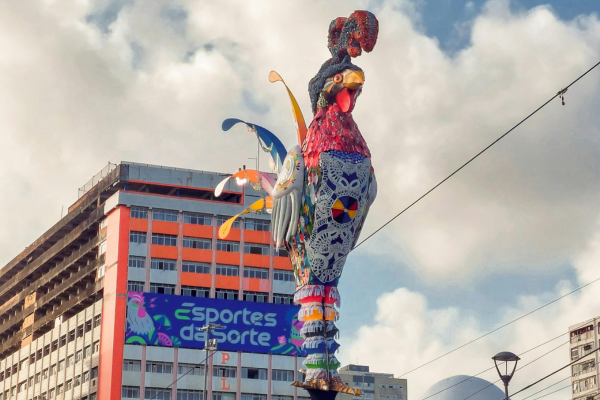
The crown jewel of carnaval Recife is Galo da Madrugada, officially recognized by Guinness World Records as the largest carnival street party on Earth. Taking place on Carnival Saturday morning (yes, morning!), this legendary bloco attracts over 2 million people to downtown Recife’s streets.
Starting at 6 AM, the parade features a massive rooster mascot, live bands playing frevo and marchinha music, and an ocean of revelers dancing through the streets. The energy is absolutely electric, with people of all ages, backgrounds, and nationalities coming together for pure celebration. Unlike exclusive events that require tickets or special access, Galo da Madrugada is completely free and open to everyone, truly embodying carnival’s democratic spirit.
Frevo: Recife’s Signature Carnival Sound
While Rio has samba and Salvador has axé, Recife’s carnival soundtrack is frevo, a uniquely Pernambucan musical style recognized by UNESCO as Intangible Cultural Heritage. This fast-paced, instrumental music features brass sections, acrobatic dance moves, and colorful umbrellas that dancers twirl while performing impressive footwork.
Watching (or attempting!) frevo dancing is a carnival highlight. The dance requires incredible athleticism, with performers executing capoeira-like moves, jumps, and spins while maintaining perfect rhythm. Many blocos offer free frevo lessons in the weeks before carnival, giving visitors a chance to learn basic steps before joining the street parties.
Twin Cities: Recife and Olinda
One of carnaval do Recife’s greatest advantages is its proximity to Olinda. These neighboring cities are just 7 kilometers apart, allowing travelers to experience two completely different carnival atmospheres during one trip.
Recife offers the massive, energetic street parties with contemporary music and urban vibes. Olinda provides traditional, bohemian celebrations in a colonial setting with giant puppets and intimate neighborhood blocos. Most visitors split their carnival time between both cities, enjoying Recife’s big events and Olinda’s charming street parties. You can easily book a guided tour combining both Recife and Olinda to understand the cultural and historical connections between these carnival twin cities.
Diverse Musical Styles
Unlike carnivals dominated by a single music genre, Recife no carnaval embraces incredible musical diversity. Beyond traditional frevo, you’ll encounter:
- Maracatu: Afro-Brazilian percussion groups with elaborate costumes and spiritual connections
- Caboclinho: Indigenous-influenced music and dance groups
- Manguebeat: Recife’s modern musical movement mixing regional rhythms with rock, hip-hop, and electronic music
- Forró: Northeastern Brazilian music particularly popular at pre-carnival parties
- Contemporary hits: Many blocos play current Brazilian and international pop music
This musical variety means Recife carnival appeals to diverse tastes, from tradition-focused cultural enthusiasts to modern party-seekers.
Main Carnival Events and Blocos in Recife
Understanding Recife’s carnival structure helps you plan which events to attend and maximize your experience.
Galo da Madrugada (Saturday Morning)
As mentioned, this is THE must-attend event of carnaval Recife. The parade begins around 6 AM in downtown Recife (Bairro de São José) and continues until early afternoon. Arrive by 5 AM to secure a good position near the starting point or along the main route.
Tips for Galo da Madrugada:
- Wear comfortable shoes you don’t mind getting dirty or damaged
- Bring minimal valuables (leave passport and unnecessary items at your accommodation)
- Stay hydrated: vendors sell water and coconut water throughout the route
- Apply sunscreen even in early morning; Brazilian sun is intense
- Don’t bring large bags; keep belongings in front pockets or secure crossbody bags
- Go with friends and establish meeting points in case you get separated
- Use bathrooms before arriving; public facilities become extremely crowded
Recife Antigo (Old Recife) Blocos
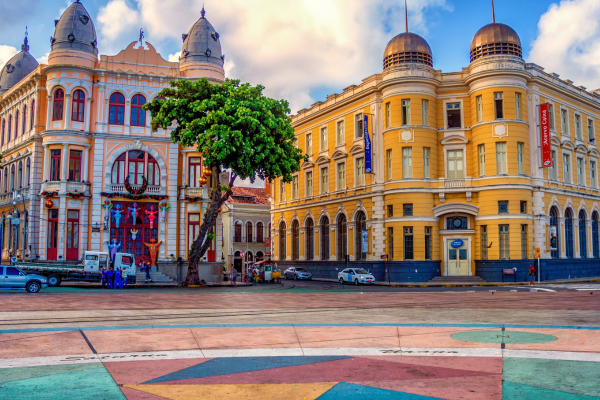
The historic Recife Antigo neighborhood hosts numerous blocos throughout carnival week. This area’s colonial architecture, waterfront location, and concentrated street parties create an incredible atmosphere. Popular Recife Antigo blocos include:
Bloco das Ilusões: One of Recife’s most beloved traditional blocos, featuring classic carnival music and welcoming all ages.
Eu Acho É Pouco: Known for creative themes and energetic performances, this bloco attracts younger crowds with contemporary carnival music.
Bloco Lírico: Celebrates classic Brazilian carnival music (marchinhas) with a nostalgic, romantic atmosphere.
Boa Viagem Beach Blocos
Recife’s famous urban beach, Boa Viagem, hosts several carnival events combining beach atmosphere with street parties. These tend to be more family-friendly during daytime and livelier at night.
Bloco da Praia: Specifically designed for beach carnival, featuring tropical themes and beachwear-friendly celebrations.
Marco Zero Cultural Complex
This waterfront cultural complex in Recife Antigo becomes carnival central, hosting free concerts, dance performances, and continuous entertainment. Multiple stages feature different musical genres simultaneously, from traditional frevo orchestras to contemporary Brazilian artists.
Pólo Pina and Other Official Carnival Venues
The city establishes official carnival venues (pólos) in different neighborhoods, each with distinct characteristics:
- Pólo Recife Antigo: Most traditional and historic
- Pólo Pina: Contemporary and electronic music focus
- Pólo Afro: Celebrates Afro-Brazilian culture with maracatu and percussion groups
- Pólo Bairro do Recife: Mixed styles in the port district
These official venues typically require free wristbands or tickets available at tourist information centers and designated distribution points.
Exploring Olinda During Carnival
No discussion of carnaval Recife is complete without addressing Olinda carnival, which many consider Brazil’s most authentic and charming carnival celebration.
The Olinda Experience
While Recife carnival focuses on massive street parties and contemporary energy ,carnaval de Olinda offers intimate, neighborhood-based celebrations in narrow colonial streets. The contrast is striking: Recife’s flat, modern avenues versus Olinda’s hilly, cobblestoned colonial center.
Olinda’s carnival highlights include:
Giant Puppets (Bonecos Gigantes): Enormous papier-mâché figures representing famous Brazilian personalities, folklore characters, and creative inventions parade through streets, creating surreal and photogenic moments.
Traditional Blocos: Smaller, more intimate street parties where locals and visitors dance together in tight-knit celebrations. Popular blocos like Homem da Meia-Noite attract hundreds of thousands despite Olinda’s small size.
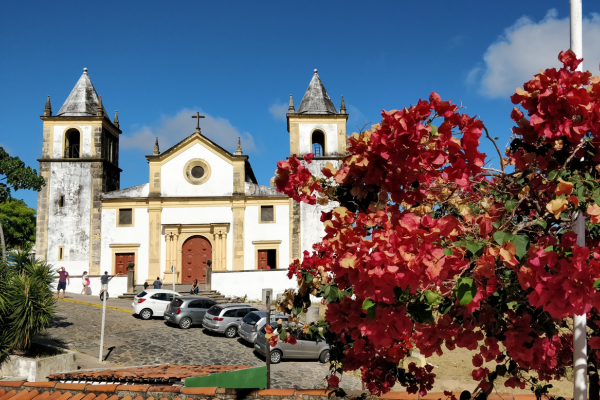
Colonial Architecture: Carnival in Olinda means celebrating among colorful 17th and 18th-century buildings, baroque churches, and UNESCO World Heritage architecture, creating an incomparable backdrop.
Bohemian Atmosphere: Olinda attracts artists, musicians, and bohemian spirits, creating a more alternative, creative carnival vibe compared to Recife’s mainstream energy.
Splitting Time Between Recife and Olinda
Most visitors experience both cities during carnival week. A typical strategy:
- Saturday morning: Galo da Madrugada in Recife
- Saturday afternoon/evening: Recover, then head to Olinda for evening blocos
- Sunday: Full day in Olinda experiencing multiple blocos
- Monday: Split between both cities or focus on Recife Antigo
- Tuesday: Grand finale in either city (or attempt both!)
Transportation between Recife and Olinda during carnival requires planning, as traffic increases significantly and ride-sharing becomes expensive. Consider staying in Olinda if you prioritize that experience, or in Recife’s Boa Viagem neighborhood for easier beach access and more accommodation options.
Where to Stay During Recife Carnival 2027
Choosing the right neighborhood significantly impacts your carnival experience and daily logistics.
Boa Viagem (Most Popular)
Recife’s main beach neighborhood offers the largest concentration of hotels, restaurants, and infrastructure. The long beach provides a relaxing escape from carnival intensity, and the neighborhood’s relative modernity means better security and amenities.
Advantages:
- Wide range of accommodations from budget hostels to luxury hotels
- Beach access for relaxation between carnival events
- Extensive restaurant and nightlife options
- Relatively safer than downtown areas
- Good public transportation connections
Disadvantages:
- 6-8 km from main carnival action in Recife Antigo
- Less authentic local atmosphere
- Can feel touristy and disconnected from carnival energy
Best for: First-time visitors, families, those prioritizing comfort and beach access
Recife Antigo (Historic Center)
Staying in the historic center puts you at carnival’s epicenter, within walking distance of major events and Marco Zero.
Advantages:
- Walking distance to main carnival venues
- Historic architecture and cultural atmosphere
- Intense carnival energy throughout the week
- No need for transportation during main events
Disadvantages:
- Limited accommodation options
- Can be extremely noisy throughout carnival
- Some safety concerns (though improved in recent years)
- Less beach access
Best for: Carnival enthusiasts prioritizing convenience and authenticity over comfort
Olinda (Most Charming)
Staying in Olinda means waking up in a colonial UNESCO World Heritage site with immediate access to its unique carnival atmosphere.
Advantages:
- Immediate access to Olinda carnival
- Stunning colonial architecture
- More intimate, artistic atmosphere
- Generally safer than Recife downtown
- Unique pousada (guesthouse) accommodations
Disadvantages:
- Requires transportation to reach Recife carnival events
- Fewer accommodation options
- Can be challenging to navigate hilly streets
- Limited beach access
Best for: Culture enthusiasts, those prioritizing Olinda carnival, travelers seeking authentic experiences
Booking Considerations
Accommodation during carnaval do Recife requires advance planning:
- Book 3-6 months ahead for best selection and rates
- Expect significant price increases (200-400%) compared to regular season
- Minimum stay requirements (typically 4-5 nights) apply during carnival
- Read cancellation policies carefully
- Consider Airbnb for more authentic neighborhood experiences
- Verify distance to main carnival areas and transportation options
Getting Around Recife During Carnival
Transportation planning prevents frustration and helps you maximize carnival experiences.
Public Transportation
Recife has an extensive bus system connecting all neighborhoods. During carnival, buses run extended hours but become extremely crowded. The metro system serves limited routes but efficiently connects Recife and some nearby areas.
Pros:
- Affordable (around R$4-5 per ride)
- Extensive coverage
- Reliable outside peak carnival hours
Cons:
- Extremely crowded during carnival
- Pickpocketing risks increase in crowded buses
- Limited late-night service
- Can be confusing for non-Portuguese speakers
Ride-Sharing Apps
Uber and 99 (Brazilian equivalent) operate throughout Recife, but during carnival, expect challenges:
- Surge pricing during peak hours (can increase costs 3-5x)
- Long wait times, especially leaving major events
- Drivers may refuse destinations in crowded areas
- App reliability decreases during peak demand
Despite challenges, ride-sharing remains popular for traveling between Recife and Olinda or returning to accommodations late at night.
Rental Cars
Renting a car provides flexibility for exploring beaches and attractions beyond carnival, though driving during carnival events is challenging due to street closures and heavy traffic.
RentCars.com offers excellent options for Recife car rentals, comparing prices across multiple agencies to find the best deals. Having a car is particularly valuable if you plan to explore Porto de Galinhas, Carneiros Beach, or other stunning beaches near Recife during your trip.
Important considerations:
- Book well in advance (rental car availability decreases during carnival)
- Park in secure, paid parking lots (never on streets during carnival)
- Avoid driving during major events due to street closures
- Drinking and driving is illegal with severe penalties in Brazil
Airport Transfers
For arriving and departing, reliable airport transfers eliminate stress and ensure safe, punctual transportation. This is especially valuable when arriving during carnival when ride-sharing surge pricing and availability issues peak.
Walking
During carnival, walking becomes the primary transportation method within event areas. Recife Antigo is entirely walkable, and Olinda’s colonial center requires walking due to narrow streets and vehicle restrictions during carnival.
Invest in comfortable, supportive walking shoes, you’ll walk (and dance!) for hours daily during carnival.
Safety Tips for Recife Carnival
While Recife carnival is generally safe, especially in tourist areas and during major events with heavy police presence, taking precautions ensures a worry-free experience.
Essential Safety Practices
Minimize Valuables: Bring only essentials to carnival events. Leave expensive jewelry, watches, and unnecessary electronics at your accommodation. Carry minimal cash and use hidden money belts or secure front pockets.
Phone Security: Phone theft is the most common crime during carnival. Keep your phone secured when not in use. Consider using a phone lanyard attached to your body or keeping it in front pockets with your hand covering them in crowds. Don’t use your phone while walking on empty streets.
Stay Aware: Maintain constant awareness of your surroundings, especially in crowds. Pickpockets work crowded carnival events. Keep bags in front of your body and avoid placing wallets in back pockets.
Travel in Groups: Whenever possible, attend events with friends or fellow travelers. Solo travelers should join organized groups or stay in well-populated, well-lit areas. Establish meeting points with travel companions in case you get separated.
Avoid Empty Areas: After carnival events, stick to main streets with other people rather than shortcuts through empty areas. Use registered taxis or ride-sharing apps rather than walking long distances late at night.
Watch Your Drinks: Never leave drinks unattended or accept drinks from strangers. While drink spiking isn’t extremely common, it does occur during large celebrations.
Know Emergency Numbers: Save these in your phone before carnival:
- Emergency Services: 190 (Police), 192 (Ambulance), 193 (Fire)
- Tourist Police: Recife has tourist police stations with English-speaking officers
- Your Embassy or Consulate contact information
Neighborhood-Specific Considerations
Recife Antigo: Generally safe during carnival with heavy police presence, but exercise caution on empty streets late at night. Stick to main carnival routes and well-lit areas.
Boa Viagem: Relatively safe neighborhood, but avoid empty beach areas at night. The main beachfront avenue (Avenida Boa Viagem) is well-patrolled and safe for evening walks.
Olinda: The colonial center is safe during carnival with significant security presence. However, some surrounding neighborhoods have higher crime rates, stick to the historic center and main carnival areas.
Travel Insurance for Carnival
Comprehensive travel insurance is essential for carnival trips. SafetyWing offers excellent coverage for international travelers to Brazil.
Why travel insurance matters for carnival:
Carnival’s combination of massive crowds, late-night celebrations, intense heat, and general festive chaos creates unique risks. Having proper insurance coverage provides invaluable peace of mind and financial protection.
SafetyWing’s Nomad Insurance covers exactly what carnival travelers need: medical emergencies (dehydration, injuries, those caipirinha moments), theft and lost belongings (common in crowded festivals), trip interruptions, and 24/7 multilingual support. Plans start at just $45.08/month and cover you in 185+ countries, you can even purchase coverage after you’ve already left home.
Full transparency: This is an affiliate link, which means if you purchase insurance through my link, I earn a small commission at absolutely no extra cost to you. You pay the exact same price, there’s zero markup. This commission helps support the time I invest in creating comprehensive, free Brazil travel guides like this one. If you find this guide helpful and were planning to get insurance anyway (which you definitely should!), using this link is a simple way to support Do in Brazil. Thank you! 💚
Get Travel Insurance for Recife Carnival →
What to Wear and Pack for Recife Carnival
Packing appropriately ensures comfort throughout carnival’s intense celebrations.
Carnival Costumes and Attire
Recife carnival embraces creative self-expression, though it tends toward slightly more casual costumes than Rio’s elaborate outfits. You’ll see everything from full costumes to simple festive attire.
Costume Ideas:
- Frevo-inspired outfits with bright colors and flowing fabrics
- Tropical themes featuring local elements (pineapples, coconuts, beach motifs)
- Traditional Northeastern Brazilian elements like baiana dresses or cangaceiro (bandit) costumes
- Glitter, sequins, and metallic fabrics
- Creative accessories: colorful sunglasses, flower crowns, festive hats
- Comfortable, breathable costumes suitable for hot, humid weather
Many locals wear simple festive clothing rather than elaborate costumes, colorful shorts, tank tops, and carnival accessories work perfectly. Don’t feel pressured to wear complex outfits unless you want to!
Practical Clothing
Daytime: Light, breathable fabrics are essential. February in Brazil means hot, humid weather, especially in Northeast Brazil. Cotton, linen, and moisture-wicking athletic fabrics work best.
Essentials:
- Lightweight shorts and skirts
- Breathable tank tops and t-shirts
- Swimsuit and beach cover-up (for beach days between carnival events)
- Light sundress or casual outfit for dinners
- Flip-flops for beach and casual wear
Evening: While nights are warm, having a light layer helps for air-conditioned restaurants or transportation.
Footwear: This is crucial! You’ll walk and stand for hours during carnival. Bring:
- Comfortable sneakers or athletic shoes with good support (primary carnival footwear)
- Supportive sandals with straps (backup option)
- Flip-flops for beach and accommodation
- Avoid: heels, new shoes, or anything that causes blisters
Sun Protection:
- Broad-spectrum sunscreen SPF 50+ (reapply frequently!)
- Sunglasses with UV protection
- Hat or cap for daytime events
- After-sun lotion for evening care
Essential Carnival Pack List
Must-bring items:
- Reusable water bottle (staying hydrated is critical in Recife’s heat)
- Portable phone charger/power bank
- Small, secure crossbody bag or fanny pack worn in front
- Waterproof phone case or pouch
- Basic first aid supplies (bandages, pain relievers, anti-nausea medication, antacids)
- Copies of passport and important documents (keep originals locked at accommodation)
- Cash in small bills (many street vendors don’t accept cards)
- Earplugs (for sleeping despite street noise)
- Wet wipes and hand sanitizer
- Insect repellent (especially for evening events)
- Electrolyte packets for severe dehydration prevention
Nice-to-have:
- GoPro or action camera for hands-free photos/videos
- Fanny pack with multiple zippered compartments
- Backup phone or camera
- Portable fan or cooling towel
- Extra phone charging cables
Beyond Carnival: Exploring Recife and Pernambuco
While carnival is spectacular, the Recife region offers incredible experiences worth exploring before or after the festivities.
Recife City Attractions
Recife itself is a fascinating city with rich history, culture, and architecture worth exploring at a calmer pace:
Instituto Ricardo Brennand: An impressive castle-like complex housing one of the world’s largest collections of arms from the medieval and colonial periods, along with Dutch paintings and other artwork.
Recife Antigo: Beyond carnival, the historic district offers excellent restaurants, bars, cultural centers, and museums. The Marco Zero plaza and surrounding colonial buildings tell Recife’s founding story.
Francisco Brennand Ceramic Workshop: A surreal sculpture park and workshop filled with fantastical ceramic creations by renowned Brazilian artist Francisco Brennand.
Kahal Zur Israel Synagogue: The oldest synagogue in the Americas, now a museum documenting Jewish presence in colonial Brazil.
Stunning Beaches Near Recife
Pernambuco’s coastline features some of Brazil’s most beautiful beaches, easily accessible from Recife:
Porto de Galinhas: Consistently ranked among Brazil’s best beaches, Porto de Galinhas offers crystal-clear natural pools, perfect for snorkeling among colorful fish. Book a Porto de Galinhas day trip to experience this paradise without worrying about transportation logistics.
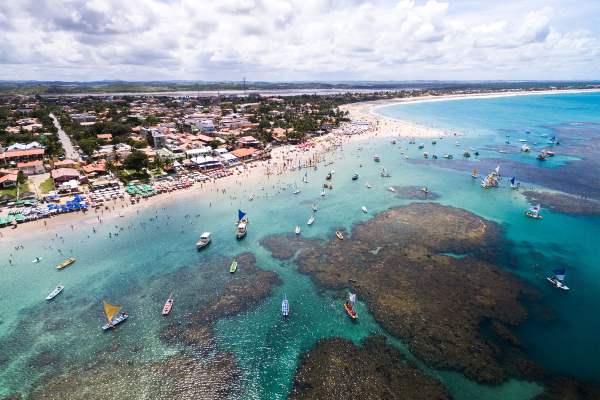
Carneiros Beach: This stunning beach combines calm, warm waters with a picturesque white church standing in shallow water, creating one of Brazil’s most photographed beach scenes. A Carneiros day trip lets you explore this gem with local guides who know the best spots.
Maragogi: Often called “Brazilian Caribbean” for its incredibly clear turquoise waters and coral reefs, Maragogi is perfect for snorkeling and diving. Consider a Maragogi day trip to experience these natural pools (galés) teeming with marine life.
Boa Viagem Beach: Recife’s urban beach offers convenience and good infrastructure, though it’s less spectacular than outlying beaches. The long beachfront promenade is perfect for morning runs or sunset walks.
You can also explore multiple beaches in one day with a comprehensive beaches tour, visiting several stunning coastal locations.
Day Trip to Olinda
Even if you attend Olinda carnival, returning during a calmer period to properly explore the colonial city is worthwhile. The UNESCO World Heritage historic center features baroque churches, artists’ ateliers, craft markets, and spectacular views over Recife.
Book a Recife and Olinda city tour with knowledgeable guides who explain the historical and cultural significance of both cities while showing you hidden gems tourists typically miss.
Food and Drink During Carnival
Recife carnival includes distinctive Northeastern Brazilian culinary traditions that enhance the celebration.
Traditional Carnival Foods
Tapioca: A popular breakfast and snack made from cassava starch, filled with sweet or savory ingredients. Street vendors sell fresh tapiocas throughout carnival.
Bolo de Rolo: Pernambuco’s iconic dessert, a thin cake rolled with guava paste filling, creating beautiful spiral layers.
Carne de Sol: Sun-dried beef served with various accompaniments, commonly found at carnival food stalls.
Espetinho: Grilled meat skewers sold by street vendors, perfect for quick protein during long carnival days.
Pastel: Fried pastries with diverse fillings (cheese, meat, shrimp, heart of palm), carnival staple food.
Acarajé: While originally from Bahia, these black-eyed pea fritters are popular at Recife carnival too.
Carnival Drinks
Caipirinha: Brazil’s national cocktail made with cachaça, lime, sugar, and ice. Carnival vendors create variations with different fruits.
Beer: Ice-cold beer is carnival’s most popular alcoholic beverage. Skol, Brahma, and Antarctica are common Brazilian brands.
Água de Coco (Coconut Water): Essential for staying hydrated. Fresh coconuts are available from beach and street vendors.
Batida: Fruit juice mixed with cachaça, creating refreshing carnival cocktails in various flavors.
Caldo de Cana (Sugarcane Juice): Fresh sugarcane juice provides natural energy and hydration.
Northeastern Brazilian Cuisine
Beyond carnival snacks, Recife offers exceptional regional cuisine worth experiencing:
Caldinho de Feijão: Bean soup served in small cups, popular at bars and street stalls.
Peixada Pernambucana: Traditional fish stew with coconut milk and regional spices.
Bode (Goat): Northeastern specialty prepared various ways, especially popular inland.
Fresh Seafood: Recife’s coastal location means exceptional fresh fish, shrimp, lobster, and octopus.
Many restaurants offer regional tasting menus allowing you to sample multiple Northeastern dishes in one meal.
Budget Planning for Recife Carnival 2027
Understanding costs helps you plan a carnival trip matching your budget while maximizing experiences.
Accommodation Costs
Carnival prices increase significantly compared to regular season:
- Budget hostels: R$150-300 ($30-60 USD) per night in dorms
- Mid-range hotels/pousadas: R$500-1,000 ($100-200 USD) per night
- Luxury hotels: R$1,200-2,500+ ($240-500+ USD) per night
Booking 3-6 months in advance secures better rates and availability. Consider staying slightly outside peak carnival dates to reduce costs.
Daily Expenses
- Food: R$60-200 ($12-40 USD) per day depending on restaurant choices
- Transportation: R$20-60 ($4-12 USD) per day for public transport/occasional ride-sharing
- Carnival entry: Most blocos and street parties are FREE
- Drinks: R$8-20 ($1.60-4 USD) for beers, R$15-30 ($3-6 USD) for caipirinhas
- Activities/tours: R$100-300+ ($20-60+ USD) per organized tour
Money-Saving Tips
- Attend free blocos and street parties rather than paying for exclusive events
- Eat at “por kilo” (pay-by-weight) restaurants for affordable, quality meals
- Buy drinks from supermarkets before events when possible
- Use public transportation during off-peak hours
- Share accommodation costs with travel companions
- Book tours and accommodations well in advance for better rates
- Bring reusable water bottle to avoid constant purchases
Sample Budget Breakdown
Budget Traveler (5 nights/6 days):
- Accommodation: R$1,000 ($200)
- Food: R$400 ($80)
- Transportation: R$200 ($40)
- Activities: R$200 ($40)
- Drinks/entertainment: R$300 ($60)
- Total: approximately R$2,100 ($420)
Mid-Range Traveler:
- Accommodation: R$3,500 ($700)
- Food: R$800 ($160)
- Transportation: R$400 ($80)
- Activities: R$600 ($120)
- Drinks/entertainment: R$700 ($140)
- Total: approximately R$6,000 ($1,200)
Luxury Traveler:
- Accommodation: R$7,500+ ($1,500+)
- Food: R$1,500+ ($300+)
- Transportation: R$800+ ($160+)
- Activities: R$1,200+ ($240+)
- Drinks/entertainment: R$1,500+ ($300+)
- Total: approximately R$12,500+ ($2,500+)
Comparing Recife to Other Brazilian Carnivals
Understanding how carnaval Recife differs from other major Brazilian celebrations helps set appropriate expectations.
Recife vs. Rio Carnival
Rio’s carnival is the world’s most famous, featuring spectacular sambadrome parades, hundreds of blocos, and massive international tourism. Recife offers a more regional, authentic experience with unique Northeastern culture and the world’s largest single street party.
Choose Rio for: Sambadrome spectacle, international atmosphere, iconic status, extensive tourist infrastructure
Choose Recife for: Authentic regional experience, frevo and maracatu culture, Galo da Madrugada, proximity to Olinda, less overwhelming crowds, better value
Recife vs. Salvador Carnival
Salvador features massive trios elétricos (sound trucks) and focuses on axé music and Afro-Brazilian culture. Both are Northeastern carnivals but with distinct characteristics.
Recife advantages: More walkable, combined with Olinda experience, frevo dancing, slightly less intense crowds
Salvador advantages: Larger scale, more Afro-Brazilian cultural elements, longer carnival tradition as street party capital
Carnaval Recife represents one of Brazil’s most authentic, exciting, and accessible carnival celebrations. The combination of Galo da Madrugada’s record-breaking energy, unique frevo culture, diverse musical styles, and proximity to charming Olinda creates an unbeatable carnival experience.
Unlike Rio’s overwhelming international tourism or Salvador’s intense heat and crowds, Recife maintains a more manageable scale while delivering genuine carnival excitement. The ability to split time between Recife’s modern urban celebrations and Olinda’s colonial charm provides diversity that single-city carnivals can’t match.
Whether you’re a first-time carnival visitor or a veteran seeking new experiences, carnaval do Recife offers something special: massive street parties with intimate cultural moments, modern energy with deep traditions, beach relaxation with intense celebrations. The welcoming Northeastern Brazilian spirit ensures international visitors feel embraced rather than like outsiders observing from afar.
Start planning now, book accommodation early, learn basic frevo steps if possible, prepare for hot weather, and get ready for an unforgettable carnival experience. The streets of Recife and Olinda await, ready to show you why this Northeastern carnival combination deserves recognition among Brazil’s best carnival destinations.
For comprehensive guides to other amazing Brazilian carnival destinations, explore our complete coverage of Rio de Janeiro Carnival, São Paulo Carnival, and discover everything about traveling to Brazil in February. And don’t forget to read our detailed Olinda Carnival 2027 guide to make the most of your time in this magical colonial city.
Whether you’re dancing at Galo da Madrugada with 2 million new friends, learning frevo steps on Olinda’s cobblestone streets, or relaxing on pristine Pernambuco beaches, Recife carnival promises memories that will last a lifetime.
Bom carnaval! (Happy carnival!)



Pingback: Belo Horizonte Carnival 2026: Complete Travel Guide - Do in Brazil